Vineyard And Rural Estate Architecture In Paso Robles
Posted Apr 15 2025 | By Admin | Tag(s) Architecture , Lifestyle | Comments 2 Comments
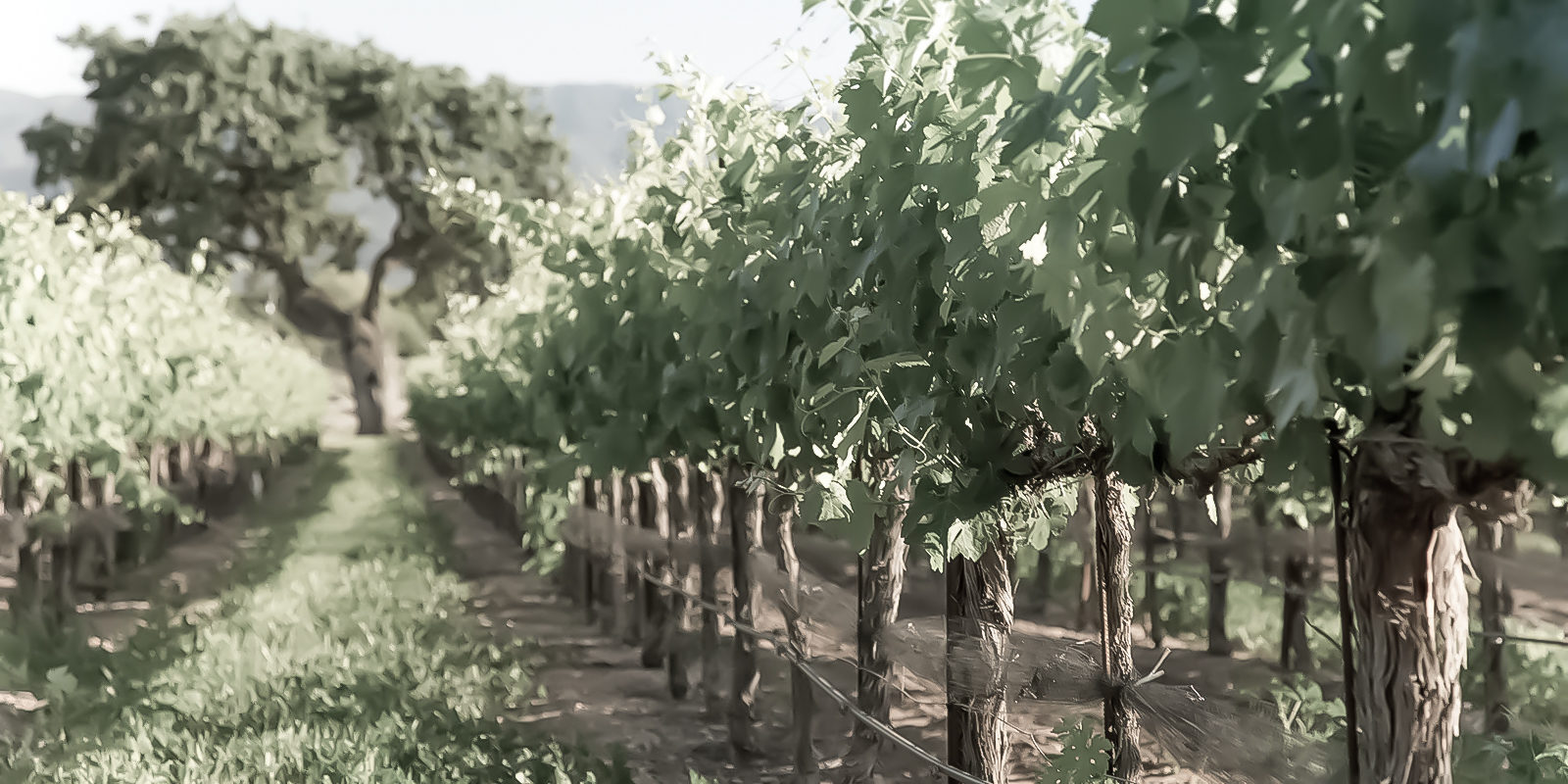
Nestled in the rolling hills of California's Central Coast, the wine country surrounding Paso Robles has emerged as one of the most dynamic and architecturally rich destinations in American viticulture. What was once a quiet agricultural region has transformed into a vibrant hub for distinctive architectural projects that celebrate the land, the grapes, and the evolving lifestyle of wine enthusiasts. Vineyard estates, tasting rooms, production facilities, and rural residences in Paso Robles demand designs that masterfully balance operational functionality with profound aesthetic and emotional appeal—creating spaces that feel both timeless and forward-looking.
The Evolution of Modern Winery Architecture
Contemporary winery architecture in Paso Robles often embraces clean lines, expansive volumes, and a seamless dialogue between built form and the natural landscape. Architects prioritize natural materials such as weathered steel (Corten), local stone, reclaimed wood, and textured concrete that age gracefully alongside the vines, developing a patina that echoes the maturation of fine wine itself.
Large, strategically placed windows and generous outdoor terraces are hallmarks of these designs, inviting visitors to immerse themselves in sweeping views of oak-dotted hillsides, orderly vineyard rows, and distant mountains. These elements transform a simple tasting experience into a multisensory journey, where the architecture itself becomes part of the terroir narrative.
Residential Vineyard Estates: Blending Heritage and Modernity
Beyond production facilities, residential vineyard estates in Paso Robles often draw inspiration from the area’s agricultural roots while incorporating contemporary comforts. Modern farmhouse or barn-style architecture remains especially popular, featuring simple gabled forms, pitched roofs, expansive porches, and materials like cedar siding or reclaimed barn wood that feel authentic to the working landscape.
These homes frequently integrate open-plan interiors with high ceilings, exposed beams, and generous glazing that blurs the boundary between indoors and out. Stone accent walls, drought-tolerant native landscaping, and indoor-outdoor living spaces—such as covered terraces for al fresco dining—create residences that honor the region’s farming heritage while delivering modern luxury.
Mediterranean and Spanish Colonial influences also thrive here, with stucco walls, red clay tile roofs, arched doorways, and shaded courtyards evoking the historic ranchos of California’s past. These estates often perch dramatically on hillsides, offering panoramic vistas that make every morning feel like a postcard.
Whether it’s a Tuscan-inspired villa with water-wise gardens or a sleek contemporary home with industrial accents, these residences reflect owners’ desires for authenticity paired with refined living—spaces where family gatherings, private tastings, and quiet reflection coexist harmoniously with the rhythms of vineyard life.
Sustainability at the Core of Design
In a region known for its hot summers and thoughtful stewardship of the land, sustainability is not an afterthought but a foundational principle in Paso Robles architecture. Many new winery and estate projects incorporate passive design strategies, including natural ventilation, thermal mass materials, and strategic orientation to minimize energy needs.
Solar energy systems are increasingly common at some wineries where arrays can be seen powering operations and even electric vehicle charging. Water conservation plays a critical role too: rainwater harvesting cisterns, greywater reclamation, drought-resistant landscaping, and efficient irrigation systems help manage the Central Coast’s variable climate while reducing operational costs and environmental impact.
Several facilities have pursued formal certifications acheiving LEED Silver status through extensive use of recycled materials and water strategies, while numerous others participate in the region’s sustainable winegrowing programs. These green approaches ensure that the beautiful structures rising among the vines will support the land for generations rather than deplete it.
Architecture as Experience in Wine Tourism
As Paso Robles solidifies its position as a premier wine tourism destination—with growing numbers of visitors drawn to its diverse varietals, Mediterranean climate, and welcoming atmosphere—architecture has become a powerful tool for crafting unforgettable experiences. Thoughtful designs elevate simple visits into immersive journeys: a tasting room that frames a perfect vineyard view, a hospitality space that encourages lingering, or an estate that tells the story of its soil through material choices and spatial flow.
Innovative projects continue to push boundaries while respecting context—whether through minimalist indoor-outdoor structures or blended modern-rustic expansions that enhance existing facilities. The result is a built environment that complements the region’s natural beauty, supports sustainable practices, and invites deeper connections between people, place, and product.
Looking Forward
Paso Robles wine country stands at an exciting crossroads. As the region grows, its architecture will continue evolving—fusing innovation with respect for agricultural heritage, embracing sustainability as a core value, and creating spaces that resonate emotionally as much as they function practically. From sleek contemporary wineries to warm modern farmhouses and eco-luxury accommodations, these structures do more than shelter vines and visitors; they help define the unique identity and enduring allure of Paso Robles.
Whether you’re a wine lover planning your next tasting itinerary, an architecture enthusiast, or someone dreaming of a vineyard estate of your own, the thoughtful designs emerging here remind us that great architecture doesn’t just sit on the land — it enhances it, interprets it, and invites us to fall in love with it all over again. The hills of Paso Robles are not only growing exceptional wines; they are nurturing exceptional places to experience them.
Disclaimer
GFH Architecture does NOT represent or endorse the accuracy or reliability of any information or content contained on, distributed through or linked, downloaded or accessed on our Blog. The Authors expressed views and opinions are for entertainment, information and discussion purposes only. By viewing our Blog you signify your agreement that you must evaluate and make your own judgement, and bear all risks associated with, the use of any content on our Blog. Site Administrator
-
GFH has over 40 years of architectural experience serving the Central Coast.
-
Contact us today to discover how we can best serve you on your next building project.
-
Tel: +1 (805) 466-7674
-
Email: gary@gfharchitecture.com
John Smith Apr 15 2025
Your approved reply could appear here. Share your opinions and join the conversation.
ReplyJohn Smith Apr 15 2025
Your approved reply could appear here. Share your opinions and join the conversation.
ReplyLeave a Reply