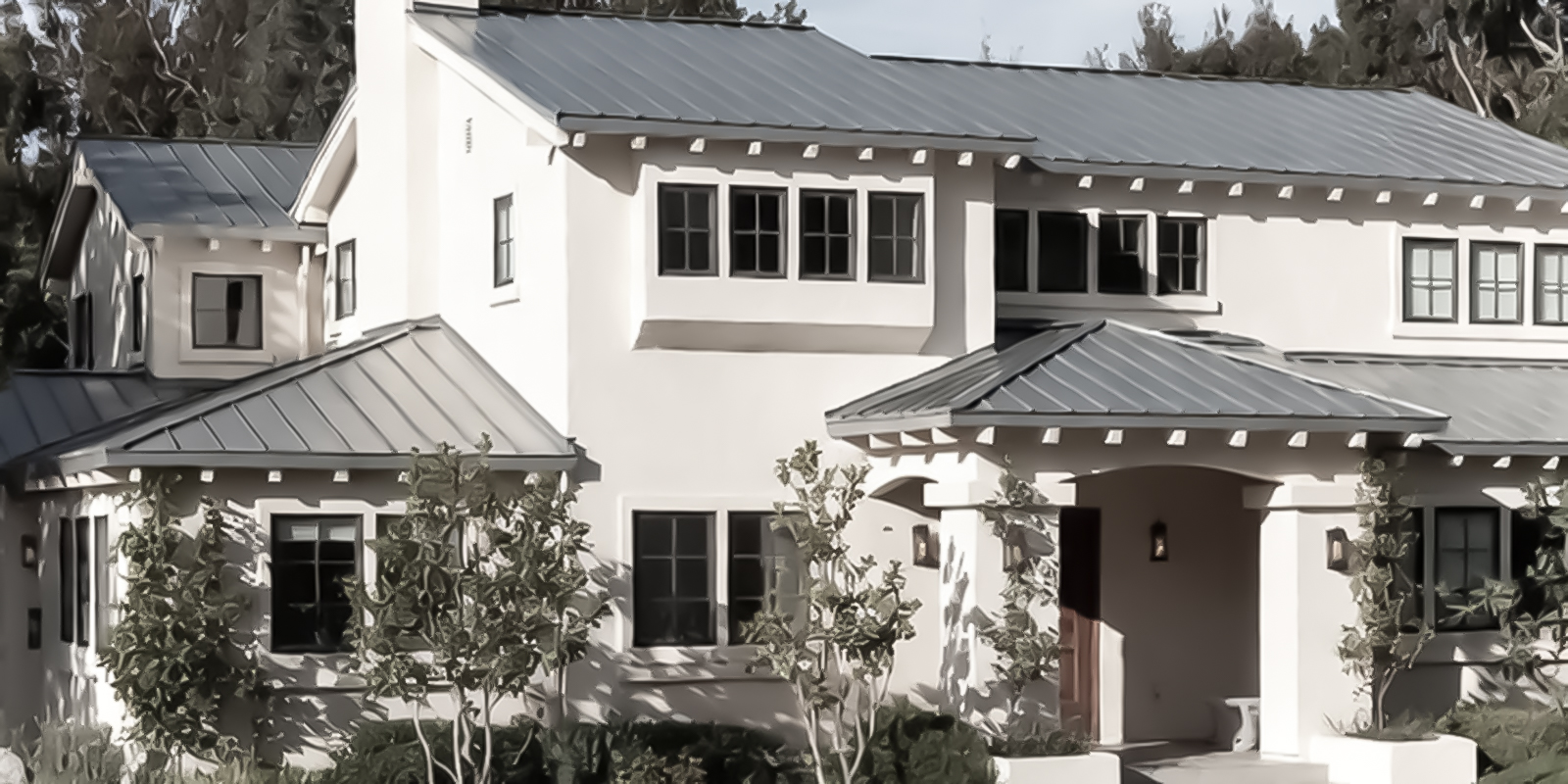
Designing For Wildfire Resilience On The Central Coast
Posted May 15 2025 | By Admin | Tag(s) Architecture , Lifestyle | Comments 2 Comments
California's Central Coast, with its rolling oak woodlands, dry summers, and occasional powerful Santa Ana-like winds, faces growing wildfire threats. Communities like Atascadero and Templeton sit in the wildland-urban interface (WUI), where chaparral and grasslands meet homes. As fire seasons intensify, architects, builders, and homeowners increasingly prioritize wildfire-resilient design that protects lives and property without sacrificing the region's signature aesthetic of warm, earthy tones and seamless indoor-outdoor living.
Wildfire resilience blends "home hardening" (making the structure itself ignition-resistant) with thoughtful landscape design and smart detailing. The goal is to create homes that can withstand not just flames but the far more insidious threat of wind-driven embers, which often ignite structures from afar.
Home Hardening: Choosing Materials That Defy the Flames
The exterior of a home is its first line of defense. In high-risk zones, California's Building Code Chapter 7A sets strict standards for materials and construction methods to resist wildfire exposure.
Popular fire-resistant building materials include:
- Fiber cement siding — offers Class A fire resistance, durability against weather, and a versatile look that mimics wood, stone, or stucco without the combustibility.
- Metal roofing — delivers excellent performance with high reflectivity for energy efficiency and resistance to ember ignition. When paired with proper underlayment, it often achieves top-tier fire ratings.
- Stucco, brick, or stone — these non-combustible classics provide timeless Central Coast charm while standing strong against radiant heat.
- Multi-pane tempered glass windows — approximately four times more resistant to breaking under heat than standard glass, helping prevent embers from entering and igniting interiors.
These choices significantly reduce the chance that a structure will ignite during a wildfire event.
Landscape Design: Creating Defensible Space
A home's surroundings can either fuel a fire or help stop it. Defensible space creates a strategically managed buffer zone around structures, divided into zones for maximum effectiveness:
- Zone 0 (0–5 feet): The "ember-resistant" zone closest to the home. Use noncombustible hardscaping such as gravel, concrete pavers, or decomposed granite. Avoid mulch, wooden decks (or use fire-rated alternatives), and combustible outdoor furniture. Keep this area lean and clean to prevent embers from nesting and igniting.
- Zone 1 (5–30 feet): Keep it "lean, clean, and green." Maintain well-spaced, low-growing, irrigated plants. Remove dead material regularly and prune trees to eliminate "ladder fuels" that allow fire to climb from ground to canopy.
- Zone 2 (30–100 feet): Reduce fuel loads by thinning vegetation, spacing trees so crowns don't touch, and favoring fire-resistant native or adapted plants suited to the Central Coast, such as certain succulents, low-litter shrubs, or species like Western redbud that manage seasonal debris well.
Smart plant selection combined with regular maintenance creates beautiful, water-wise landscapes that also enhance safety. Local resources from CAL FIRE, San Luis Obispo County, and community Fire Safe Councils offer guidance tailored to the area's microclimates.
Architectural Detailing: Eliminating Vulnerabilities
Even the best materials can fail if details allow embers entry. Key considerations include:
- Rooflines and eaves: Simplified roof forms with fewer valleys and complex junctions minimize places where debris and embers accumulate. Enclose eaves (soffits) with noncombustible materials and avoid exposed rafters where possible.
- Vents: Ember intrusion through attic, soffit, or foundation vents is a common failure point. Install California State Fire Marshal-listed ember- and flame-resistant vents, which use fine mesh (often 1/16 to 1/8 inch) and baffles or intumescent materials that seal under heat. Standard vents often fail to meet Chapter 7A requirements in WUI areas.
- Other details: Use fire-rated doors, seal gaps around penetrations, and consider covered gutters or gutter guards to reduce leaf buildup. Decks should use fire-resistant materials or be designed with adequate spacing and screening underneath.
These refinements help prevent ember accumulation and ignition points while maintaining elegant, functional designs that celebrate the Central Coast lifestyle.
Balancing Safety, Beauty, and Livability
Wildfire-resilient design on the Central Coast proves that protection and beauty can coexist. Modern fire-resistant homes often feature clean lines, rich textures from stucco and metal, expansive tempered-glass views of the landscape, and lush yet strategic plantings that frame rather than threaten the structure.
Communities like Atascadero actively promote these approaches through programs such as Firewise recognition and vegetation management initiatives. With rising awareness and stricter codes, new construction increasingly integrates resilience as a core principle rather than an afterthought.
Ultimately, thoughtful planning allows homes to adapt to California's wildfire realities while preserving what makes the Central Coast special: connection to nature, architectural warmth, and a sense of enduring sanctuary. Whether building new or retrofitting an existing property, consulting local fire professionals, architects experienced in WUI design, and up-to-date code requirements ensures the best outcomes.
In an era of increasing fire risk, resilient design is not just about surviving—it's about thriving beautifully in harmony with a dynamic environment.
Disclaimer
GFH Architecture does NOT represent or endorse the accuracy or reliability of any information or content contained on, distributed through or linked, downloaded or accessed on our Blog. The Authors expressed views and opinions are for entertainment, information and discussion purposes only. By viewing our Blog you signify your agreement that you must evaluate and make your own judgement, and bear all risks associated with, the use of any content on our Blog. Site Administrator
-
GFH has over 40 years of architectural experience serving the Central Coast.
-
Contact us today to discover how we can best serve you on your next building project.
-
Tel: +1 (805) 466-7674
-
Email: gary@gfharchitecture.com
John Smith May 15 2025
Your approved reply could appear here. Share your opinions and join the conversation.
ReplyJohn Smith May 15 2025
Your approved reply could appear here. Share your opinions and join the conversation.
ReplyLeave a Reply