The Importance of Site Specific Architecture
Posted Jun 15 2025 | By Admin | Tag(s) Architecture , Lifestyle | Comments 2 Comments
In the diverse and breathtaking landscapes of California's Central Coast, no two building sites are ever truly identical. Rolling vineyards carpet the hills near Paso Robles, while rugged hillsides and oak-dotted slopes rise around San Luis Obispo. Coastal influences add salt air and dramatic vistas further west, and inland areas feature unique microclimates shaped by topography and prevailing winds.
Each location tells its own story through slope, soil, sunlight patterns, native vegetation, and sweeping views. Site-specific architecture — also known as contextual or responsive design—honors these unique characteristics rather than imposing a generic template. This thoughtful approach creates buildings that feel as if they have always belonged to the land, enhancing both their beauty and functionality.
What Is Site-Specific Architecture?
At its core, site-specific architecture involves designing structures that respond directly to the physical, environmental, and cultural context of a particular place. Instead of starting with a preconceived floor plan or style and forcing it onto the property, architects begin with a deep analysis of the site itself. This process respects the land's natural contours, climate challenges, and opportunities, resulting in homes, wineries, or other buildings that integrate seamlessly with their surroundings.
On the Central Coast, this might mean nestling a residence into a hillside to minimize excavation while capturing panoramic vineyard views or orienting a tasting room to frame golden-hour light over oak woodlands. The goal is harmony: the building enhances the landscape, and the landscape, in turn, enriches the building.
The Foundation: Careful Site Analysis
Effective site-specific design starts long before the first line is drawn on paper. Architects and their teams conduct thorough site inventories, evaluating several critical factors:
- Topography and Slope: Steep hillsides common around San Luis Obispo require careful grading and foundation strategies to prevent erosion and stabilize structures. A building might step down the slope in terraced levels, preserving natural drainage patterns and reducing the need for massive retaining walls.
- Soil Conditions: Central Coast soils vary from fertile vineyard loam to rocky or expansive clays. Understanding load-bearing capacity influences foundation design, while soil type guides choices for landscaping and stormwater management.
- Sunlight Exposure and Microclimates: Sun paths differ dramatically by season and orientation. South- or southeast-facing slopes can maximize passive solar heating in winter while strategic overhangs or shading elements keep interiors cool during the region's warm summers. Careful orientation also optimizes natural daylighting, reducing reliance on artificial lighting.
- Views and Visual Corridors: Properties near Paso Robles often boast expansive vistas of vineyards and distant mountains. Designs might incorporate large, strategically placed windows or cantilevered terraces that frame these views without obstructing them for neighbors or public sightlines.
- Prevailing Winds, Vegetation, and Wildlife: Coastal breezes and inland patterns inform window placement for natural ventilation. Existing mature oaks or native plants are preserved wherever possible, providing shade, windbreaks, and habitat while contributing to the site's character.
This detailed study prevents common pitfalls of generic designs, such as excessive earthmoving, poor drainage leading to flooding, or uncomfortable indoor temperatures.
Adapting the Building to the Land
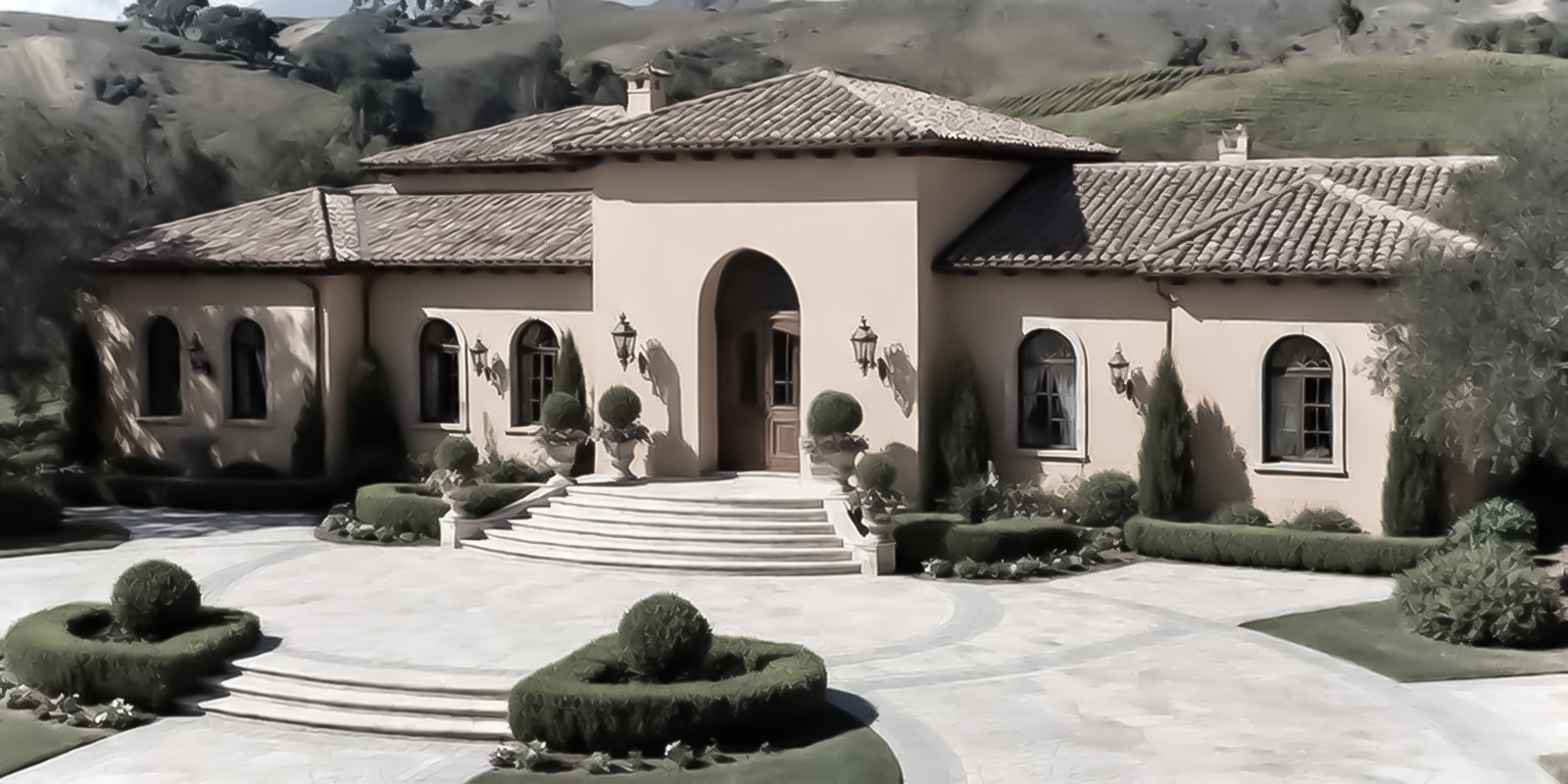
Rather than dominating the site, site-specific architecture lets the land guide the form. A standard suburban box might look out of place amid rolling vineyards, but a design that follows the contours—perhaps with low-slung profiles, earth-toned materials like charred wood (shou sugi ban) or Cor-Ten steel echoing local agrarian structures, and stucco nods to historic Spanish missions—feels organic and timeless.
Examples abound on the Central Coast. Homes partially embedded into hillsides gain natural thermal mass for energy stability and blend visually into the terrain. Winery buildings might arrange in L-shapes around crush pads, opening to vineyard views while protecting functional areas. Guest houses nestled among century-old oaks minimize disturbance to sensitive habitats, creating a symbiotic relationship between structure and nature.
These adaptations preserve open space, reduce visual impact on scenic landscapes, and often lower construction costs by working with, rather than against, existing features.
Enhanced Energy Efficiency and Sustainability
One of the most compelling benefits of site-specific design is its contribution to energy efficiency and long-term sustainability. By maximizing natural lighting through thoughtful orientation and glazing, buildings require less electricity for illumination. Strategic placement captures cooling breezes for natural ventilation, decreasing air-conditioning needs in the Mediterranean climate of the Central Coast.
Passive solar strategies—such as elongated east-west axes for optimal winter heat gain paired with summer shading—can significantly cut heating and cooling loads. Preserving native vegetation provides free shading and wind protection, while minimizing impervious surfaces reduces stormwater runoff and the urban heat island effect.
In a region increasingly focused on resilience against drought, wildfire risks, and climate variability, these measures not only lower utility bills but also lessen environmental impact. Materials chosen to weather gracefully in coastal salt air or inland sun further extend a building's lifespan with less maintenance.
Deeper Connections: Architecture, Landscape, and Sense of Place
Beyond practical advantages, site-specific architecture fosters a profound emotional and aesthetic connection. Buildings that emerge from their context feel authentic and rooted, strengthening the "sense of place" that makes the Central Coast so special. Residents and visitors experience spaces that celebrate the land's beauty rather than hiding or ignoring it—whether through expansive glass walls opening to vineyard sunsets or terraces that blur the boundary between indoors and out.
This approach contrasts sharply with "cookie-cutter" developments that can erode local character. Contextual design respects cultural heritage (drawing subtly from Mission Revival or agrarian vernacular) while allowing contemporary innovation, creating timeless results that age gracefully alongside the landscape.
It also supports broader goals like biodiversity preservation and community identity. By minimizing habitat disruption and integrating native plantings, these projects contribute to ecological health in a region prized for its natural beauty.
Why It Matters Now More Than Ever
In an era of rapid development, climate challenges, and a desire for more meaningful living spaces, site-specific architecture offers a responsible and rewarding path forward. On California's Central Coast, where landscapes range from intimate vineyard hollows to dramatic coastal ridges, this method ensures new construction enhances rather than diminishes what makes the area unique.
Homeowners, developers, and architects who embrace it create not just shelters, but enduring contributions to the environment—structures that feel inevitable, efficient, and deeply satisfying. The result is architecture that doesn't just sit on the land but truly belongs to it, forging stronger bonds between people, buildings, and the extraordinary places they call home.
Whether planning a hillside residence near San Luis Obispo or a vineyard estate in Paso Robles, prioritizing site-specific principles leads to outcomes that are more beautiful, sustainable, and personally resonant. In the end, the most successful buildings are those that listen to the land before they speak.
Disclaimer
GFH Architecture does NOT represent or endorse the accuracy or reliability of any information or content contained on, distributed through or linked, downloaded or accessed on our Blog. The Authors expressed views and opinions are for entertainment, information and discussion purposes only. By viewing our Blog you signify your agreement that you must evaluate and make your own judgement, and bear all risks associated with, the use of any content on our Blog. Site Administrator
-
GFH has over 40 years of architectural experience serving the Central Coast.
-
Contact us today to discover how we can best serve you on your next building project.
-
Tel: +1 (805) 466-7674
-
Email: gary@gfharchitecture.com
John Smith Jun 15 2025
Your approved reply could appear here. Share your opinions and join the conversation.
ReplyJohn Smith Jun 15 2025
Your approved reply could appear here. Share your opinions and join the conversation.
ReplyLeave a Reply