Multi-Generational Living On The Central Coast
Posted Jul 15 2025 | By Admin | Tag(s) Architecture , Lifestyle | Comments 2 Comments
Multi-Generational Living on California's Central Coast: A Thoughtful Response to Modern Family Needs
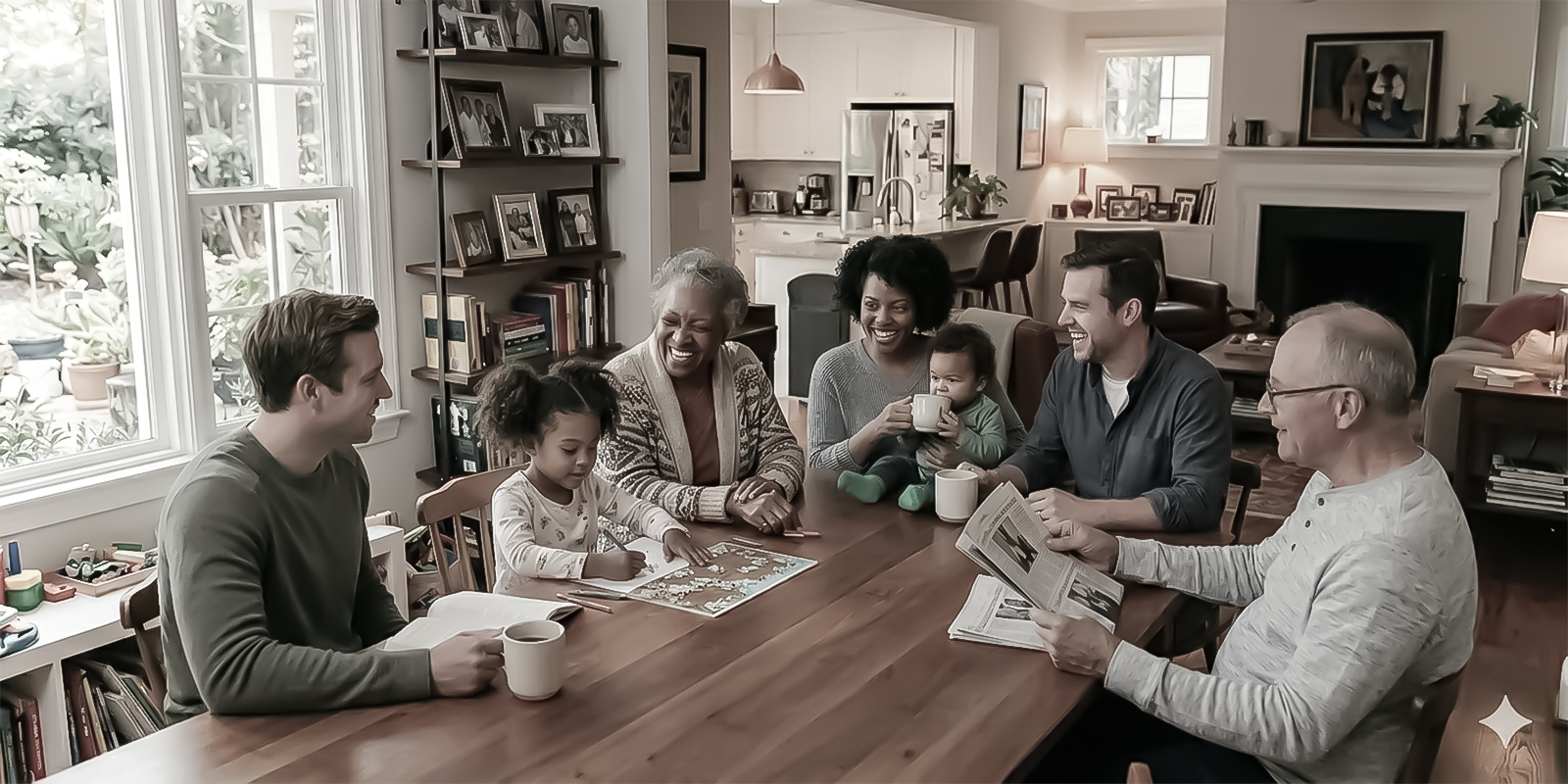
In the sun-drenched communities of California's Central Coast — places like Santa Maria, Templeton, and the broader San Luis Obispo region—a quiet but powerful shift is underway. Families are rediscovering the value of living together across generations, drawn by soaring housing costs, evolving family dynamics, and a deep desire for connection in an increasingly fragmented world. What was once a traditional arrangement in many cultures is now gaining fresh momentum as a practical, enriching solution to contemporary challenges.
California's housing market remains among the nation's most expensive, pushing many families to explore creative ways to achieve stability and affordability. Multigenerational homes—where grandparents, parents, adult children, and sometimes even grandchildren share a single property—offer a compelling path forward. Recent trends show this living model helping to ease financial pressures while fostering stronger family bonds. Nationally, cost savings rank as a top reason for such arrangements, with families pooling resources for mortgages, utilities, maintenance, and daily expenses like childcare or elder care. On the Central Coast, where charming small towns meet rolling vineyards and coastal beauty, this approach feels especially natural.
Why Multigenerational Living is Gaining Traction Here
Several factors converge to make multigenerational homes particularly appealing in areas like Santa Maria and Templeton. High home prices make solo ownership daunting for young families or retirees on fixed incomes. At the same time, shifting demographics—longer lifespans, delayed marriage and childbearing, and adult children returning home—create a need for flexible housing that supports multiple life stages simultaneously.
Beyond finances, the emotional and practical rewards are significant. Grandparents can provide wisdom, stability, and hands-on help with grandchildren, reducing the stress and cost of external childcare. Younger adults gain a safety net during career transitions or economic uncertainty, while seniors benefit from companionship that combats isolation and allows them to age in place with dignity. Studies and real-world experiences highlight benefits like improved mental health, shared knowledge across generations, and a built-in support system that strengthens resilience during life's ups and downs.
Local examples abound. In Templeton’s wine country, properties designed with multiple residences on expansive lots cater to families seeking both luxury and flexibility—think main homes paired with guest houses or setups ideal for extended living. Similar multi-unit opportunities appear in Santa Maria, where families blend historic charm with modern updates to create harmonious living spaces. Builders on the Central Coast, attuned to regional lifestyles, increasingly incorporate multigenerational features into new developments, recognizing that today’s buyers want homes that grow with their families.
Designing Homes That Balance Togetherness and Independence
The hallmark of a successful multigenerational home lies in thoughtful design that honors both connection and autonomy. At its core, these homes blend inviting shared spaces—such as expansive great rooms, gourmet kitchens, and dining areas perfect for family meals—with private retreats that allow each generation to unwind on their own terms.
Key architectural strategies include:
- Independent Living Suites: These self-contained units often feature a private bedroom, bathroom, kitchenette, and living area. Whether integrated into the main house or added as a separate structure, they give adult children or aging parents a sense of their own home while remaining close by.
- Accessory Dwelling Units (ADUs): Popular across California, ADUs—sometimes called casitas or in-law cottages—provide a flexible solution. A well-designed ADU might connect via a covered walkway or courtyard, offering full independence with the convenience of proximity. Local zoning often supports these additions, making them a smart investment for future adaptability or even supplemental income.
- Separate Entrances and Soundproofing: Multiple entry points and strategic layout choices minimize daily friction. Sound-attenuating walls ensure that a late-night study session or early-morning routine doesn’t disturb others.
Thoughtful planning can transform potential challenges into strengths. For instance, placing a primary suite on the main floor accommodates mobility needs over time, while upstairs suites suit more active family members.
Prioritizing Accessibility and Universal Design
A forward-thinking multigenerational home anticipates changing needs rather than reacting to them. Accessibility features ensure the space remains welcoming and functional for everyone, from toddlers to seniors.
Essential elements include step-free entrances, wider hallways (ideally 36–42 inches or more for easy navigation with walkers or wheelchairs), lever-style door handles, and bathrooms equipped with curbless showers, grab bars, comfort-height toilets, and reinforced walls for future modifications. Slip-resistant flooring, bright lighting, and zero-threshold transitions further enhance safety and ease.
These universal design principles don’t sacrifice style—they elevate it. A home that ages gracefully alongside its residents becomes not just practical, but timeless.
The Role of Outdoor Spaces in Family Harmony
On the Central Coast, where mild weather and stunning natural surroundings invite outdoor living year-round, landscapes play a starring role in multigenerational design. Shared yet respectful outdoor areas encourage interaction without forcing constant togetherness.
Imagine a central courtyard flanked by private patios, where grandparents tend a vegetable garden while grandchildren play nearby. Covered patios or pergolas provide shaded spots for family gatherings, barbecues, or quiet morning coffee. Separate garden nooks or seating areas allow individuals to read, meditate, or simply enjoy the vineyard views or coastal breezes in solitude. Well-planned landscaping can incorporate low-maintenance native plants, accessible pathways, and even outdoor kitchens that extend the living space seamlessly.
These elements foster a sense of community while preserving personal sanctuary—key to long-term harmony.
Looking Ahead: Enduring Benefits and Timeless Appeal
With intentional architectural planning, multigenerational homes on the Central Coast transcend mere housing. They create vibrant, supportive environments that adapt to life’s evolving chapters—whether welcoming a new baby, supporting a parent through retirement, or providing stability during uncertain times.
The rewards extend far beyond practicality. Families report deeper relationships, shared traditions, cultural continuity, and a profound sense of belonging. In a region celebrated for its relaxed pace, scenic beauty, and strong community ties, these homes embody the best of California living: connection to family, respect for individuality, and harmony with the land.
If you’re considering a multigenerational setup in Santa Maria, Templeton, or nearby, start by consulting local builders and architects experienced in these designs. Evaluate your family’s unique needs—budget, privacy preferences, and long-term goals—and explore how custom features can turn a house into a true multi-generational haven.
In the end, these thoughtfully crafted homes don’t just solve today’s housing puzzles; they nurture the relationships that matter most, creating legacies of togetherness amid the rolling hills and golden light of California’s Central Coast. Whether you’re building new or thoughtfully renovating, the investment in multigenerational living pays dividends in comfort, connection, and peace of mind for years to come.
Disclaimer
GFH Architecture does NOT represent or endorse the accuracy or reliability of any information or content contained on, distributed through or linked, downloaded or accessed on our Blog. The Authors expressed views and opinions are for entertainment, information and discussion purposes only. By viewing our Blog you signify your agreement that you must evaluate and make your own judgement, and bear all risks associated with, the use of any content on our Blog. Site Administrator
-
GFH has over 40 years of architectural experience serving the Central Coast.
-
Contact us today to discover how we can best serve you on your next building project.
-
Tel: +1 (805) 466-7674
-
Email: gary@gfharchitecture.com
John Smith Jul 15 2025
Your approved reply could appear here. Share your opinions and join the conversation.
ReplyJohn Smith Jul 15 2025
Your approved reply could appear here. Share your opinions and join the conversation.
ReplyLeave a Reply