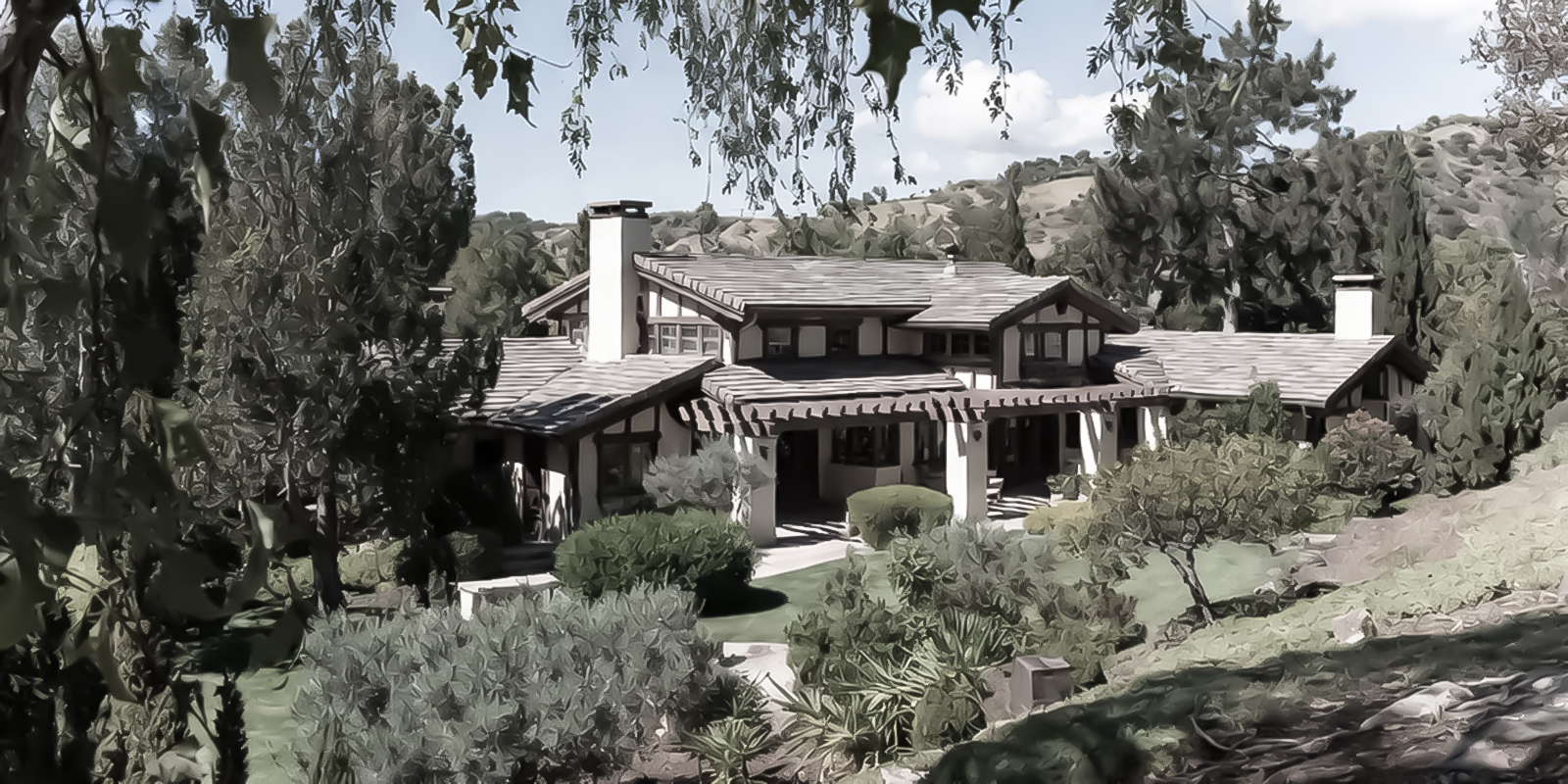
Designing Homes That Respond To The Central Coast Climate
Posted Feb 15 2025 | By Admin | Tag(s) Architecture , Lifestyle | Comments 2 Comments
The Central Coast of California enjoys one of the most enviable climates in the world: a Mediterranean paradise of mild winters, warm but rarely scorching summers, cool marine layer fog that burns off by midday, and near-constant gentle breezes rolling in from the Pacific. This natural bounty isn’t just pleasant—it’s a powerful design partner. Thoughtful architects and homeowners who learn to listen to the climate can create homes that feel effortlessly comfortable year-round while slashing energy bills and reducing environmental impact.
Harnessing Orientation and Natural Ventilation
In communities like Atascadero, San Luis Obispo, Paso Robles, and Cambria, smart site planning begins with understanding the prevailing northwest winds and the sun’s path across the sky. Homes oriented to capture these breezes—often with long axes running east-west and generous openings on the north and south sides—invite cooling airflow through the house like a natural air-conditioning system.
Cross-ventilation becomes the star of the show. Strategically placed operable windows, clerestory vents, and even simple transom windows allow hot air to rise and exit while pulling cooler air in at lower levels. On summer evenings, when the temperature drops dramatically, this passive strategy can eliminate the need for air conditioning entirely. The result? Fresher indoor air, fewer allergens trapped by mechanical systems, and a deeply satisfying connection to the outdoors that makes a house feel alive.
Mastering Sun and Shade
The Central Coast’s abundant sunshine is a blessing and a challenge. Passive solar design celebrates winter sun while defending against the higher summer angles. Deep roof overhangs, generously sized eaves, and horizontal shading fins block high-angle rays in July yet allow low winter sunlight to penetrate deep into living spaces, warming concrete floors and adobe walls naturally.
Pergolas draped with deciduous vines—wisteria, grape, or bougainvillea—offer seasonal intelligence: heavy shade in summer, bare branches that welcome warming rays in winter. Carefully positioned native trees, such as coast live oaks or California sycamores, serve as living architecture, their canopies acting as dynamic shading devices that evolve with the seasons and support local ecosystems.
Thermal Mass: Nature's Temperature Stabilizer
One of the most effective strategies on the Central Coast involves embracing thermal mass. Materials like rammed earth, adobe, concrete, and stone absorb heat during the day and release it slowly at night, effectively flattening temperature swings. A thick concrete slab or interior adobe wall can act like a thermal battery, storing the day’s warmth or coolness and moderating indoor conditions beautifully.
When paired with nighttime flushing (opening windows after dark to release stored heat), these massive materials create interiors that feel naturally cool in summer and gently warm in winter—without constant thermostat adjustments.
Material Choices That Work With the Climate
Beyond thermal mass, climate-responsive homes on the Central Coast favor materials that breathe and perform locally:
- Cool roofs with light-colored or reflective tiles or coatings that reject solar heat
- High-performance windows with low-E coatings and argon fill, strategically placed to maximize views while minimizing unwanted heat gain
- Natural insulation such as sheep’s wool, cellulose, or rigid mineral wool that maintains comfort even during rare heat waves or chilly winter nights
- Locally sourced finishes that connect residents to the region’s character—reclaimed barn wood, Central Coast stone, and earthy plaster walls
Integrating Landscape and Architecture
The most successful Central Coast homes blur the line between indoors and out. Courtyards, breezeways, and covered outdoor rooms extend living space while creating microclimates that enhance natural cooling. Drought-tolerant native landscaping not only conserves water but also shades hardscapes, cools the air through evapotranspiration, and supports birds and pollinators that make the property feel vibrant and alive.
The Deeper Rewards
Homes designed this way deliver more than comfort and efficiency. They foster healthier living through superior indoor air quality and a stronger connection to nature. They cost less to operate over decades, increasing resilience against rising energy prices and climate uncertainty. Most importantly, they feel inherently right for this place—timeless rather than trendy, rooted rather than generic.
Whether you’re building new or thoughtfully retrofitting an existing home, the Central Coast’s climate offers a masterclass in elegant, low-energy design. By designing homes that respond naturally to local environmental conditions, architects can create spaces that are comfortable, efficient, and perfectly suited to life on the Central Coast.
Disclaimer
GFH Architecture does NOT represent or endorse the accuracy or reliability of any information or content contained on, distributed through or linked, downloaded or accessed on our Blog. The Authors expressed views and opinions are for entertainment, information and discussion purposes only. By viewing our Blog you signify your agreement that you must evaluate and make your own judgement, and bear all risks associated with, the use of any content on our Blog. Site Administrator
-
GFH has over 40 years of architectural experience serving the Central Coast.
-
Contact us today to discover how we can best serve you on your next building project.
-
Tel: +1 (805) 466-7674
-
Email: gary@gfharchitecture.com
John Smith Feb 15 2025
Your approved reply could appear here. Share your opinions and join the conversation.
ReplyJohn Smith Feb 15 2025
Your approved reply could appear here. Share your opinions and join the conversation.
ReplyLeave a Reply