Architectural Design Trends Shaping California's Central Coast in 2025
Posted Jan 15 2025 | By Admin | Tag(s) Architecture , Lifestyle | Comments 2 Comments
California’s Central Coast is experiencing a quiet revolution in residential and commercial architecture. Nestled between the rugged Pacific coastline and the rolling vineyards and oak-dotted hills of the interior, communities such as San Luis Obispo, Paso Robles, Templeton, and Cambria are redefining what thoughtful, place-based design looks like in 2025. Homeowners and developers alike are moving beyond generic suburban templates, instead embracing architecture that honors the region’s natural beauty, mild Mediterranean climate, and rich cultural heritage while integrating the latest advancements in efficiency, sustainability, and livability.
This evolution reflects a deeper cultural shift: a desire to create homes that don’t just occupy the land but harmonize with it. The result is a distinctive architectural language that feels both timeless and forward-looking — rooted in the Central Coast’s agricultural and ranching past, yet fully prepared for the environmental and lifestyle demands of the future.
Embracing Indoor-Outdoor Living as a Way of Life
One of the most prominent trends defining Central Coast architecture in 2025 is the seamless integration of indoor and outdoor spaces. Thanks to the area’s enviable year-round temperate climate — with mild winters, cool summers, and abundant sunshine — residents are demanding designs that blur the boundaries between house and landscape.
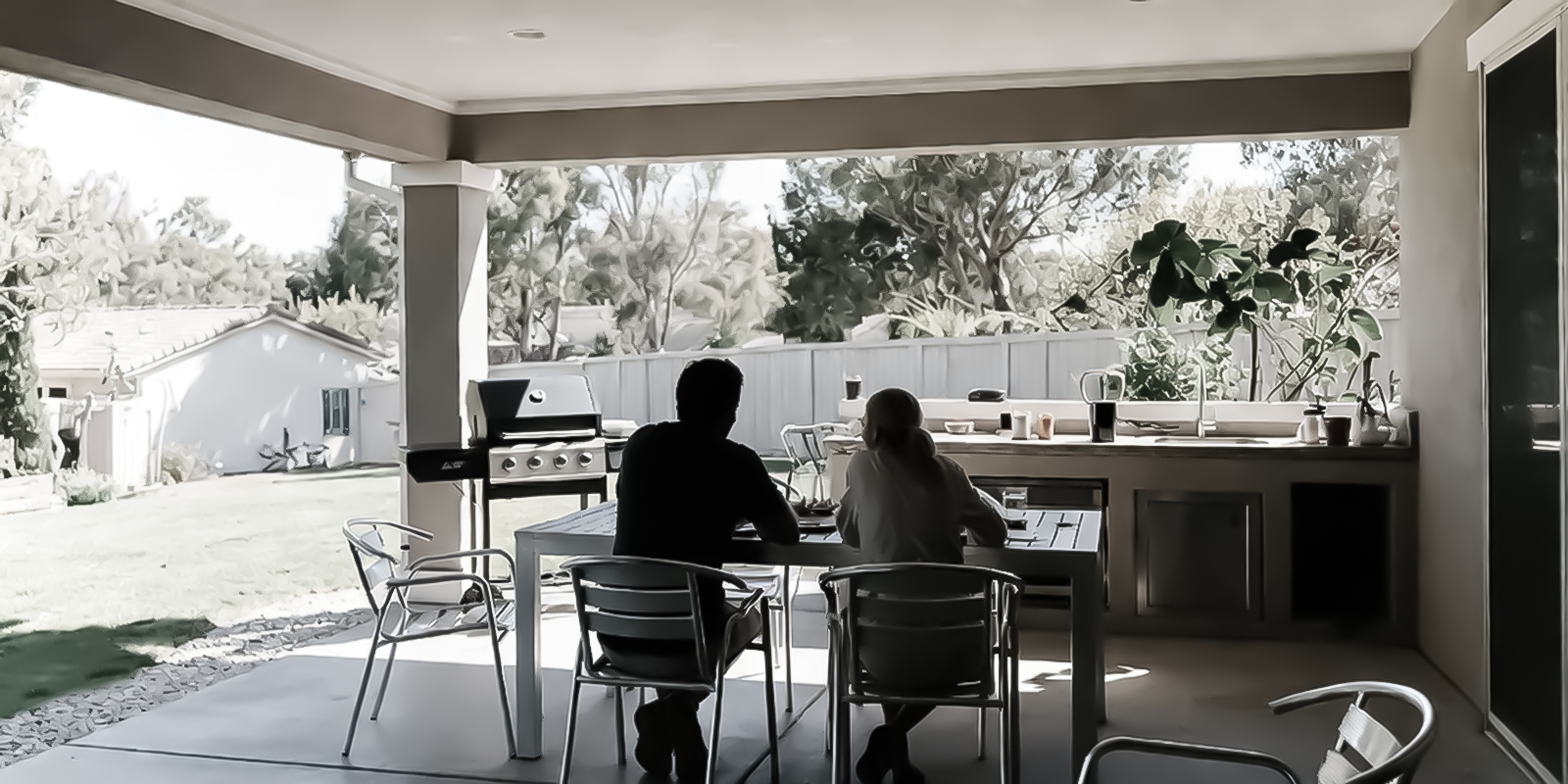
Large-format sliding glass doors, expansive picture windows, and retractable wall systems are becoming standard features, effectively turning living rooms, kitchens, and bedrooms into extensions of the surrounding environment. Covered patios with integrated outdoor kitchens, fire pits, and dining areas have evolved from luxury add-ons into essential living zones. Many new homes now feature “California rooms” — hybrid spaces with movable glass walls that allow homeowners to enjoy al fresco meals while staying protected from occasional coastal breezes or light rain.
In wine country communities like Paso Robles and Templeton, these outdoor extensions often incorporate native landscaping, drought-tolerant gardens, and infinity-edge pools that mirror the rolling hills beyond. The goal is simple yet powerful: to create homes where daily life feels intimately connected to the dramatic Central Coast scenery — from golden-hour vineyard views to the distant sparkle of the Pacific.
Sustainability Moves from Buzzword to Core Principle
Sustainability is no longer an optional green feature — it has become a foundational element of responsible design along the Central Coast. With increasing awareness of climate resilience and rising energy costs, property owners are prioritizing high-performance building envelopes, advanced insulation systems, passive solar design, and whole-home energy management.
Solar panel arrays, often integrated discreetly into rooflines or designed as elegant architectural elements, are commonplace. Many new builds are achieving LEED certification or meeting stringent California Title 24 energy standards with ease. Homeowners are also turning to locally sourced, low-impact materials: reclaimed wood from historic barns, rammed-earth or adobe-inspired walls that echo the region’s Spanish and ranching roots, and composite decking made from recycled plastics.
In areas like San Luis Obispo and Morro Bay, architects are increasingly incorporating rainwater harvesting systems, greywater recycling, and native plant palettes that require minimal irrigation. These choices not only reduce environmental impact but also create homes that feel authentic to the Central Coast’s rugged, sun-drenched character rather than imported from elsewhere.
The Rise of Flexible, Multi-Generational Living Spaces
Modern life on the Central Coast demands adaptability, and today’s architecture is responding with smarter, more versatile floor plans. The traditional rigid separation of rooms is giving way to flexible, multi-purpose spaces that can evolve with changing family needs.
Dedicated home offices with excellent natural light and high-speed connectivity have become must-haves, especially as hybrid work continues to shape lifestyles. Guest suites are being designed with private entrances and kitchenettes to comfortably accommodate extended family, adult children returning home, or short-term rental guests. Multipurpose rooms — sometimes called “flex rooms” — serve as everything from art studios and yoga spaces to homeschool classrooms or future nurseries.
This shift toward adaptable design reflects broader demographic trends: multi-generational living is on the rise, and homeowners want spaces that can grow and transform without requiring costly renovations every decade.
Preserving Regional Identity in an Era of Growth
As the Central Coast experiences steady population growth and development pressure, the most successful architectural projects are those that thoughtfully balance innovation with preservation of local character. Contemporary designs are drawing inspiration from classic Central Coast vernacular — think clean lines reminiscent of Spanish Revival, understated ranch-style elements, and the simple elegance of mid-century modern homes that once dotted the landscape.
Rather than imposing stark, minimalist boxes that feel unfamiliar to the region, leading architects are creating warm, textured facades using natural stone, stucco in earthy tones, and generous overhangs that provide shade and architectural interest. Rooflines are carefully considered to complement the rolling topography rather than compete with it.
The most compelling homes emerging in 2025 don’t just look good — they feel like they belong here. They respect the viewsheds, incorporate fire-resistant materials appropriate for California’s wildfire-prone seasons, and contribute positively to the community’s sense of place.
Looking Ahead: Architecture as Stewardship
The architectural trends shaping California’s Central Coast in 2025 reveal a maturing design philosophy: one that treats architecture not merely as shelter, but as responsible stewardship of a truly special place. By embracing indoor-outdoor living, committing to genuine sustainability, designing for flexibility, and honoring regional identity, the homes and buildings being created today will serve families and communities for generations to come.
Whether you’re planning a new build, a major remodel, or simply dreaming about what’s possible, 2025 offers an exciting opportunity to create something that feels both deeply personal and profoundly connected to the land, climate, and culture that make the Central Coast one of California’s most cherished regions.
If you’re considering a project in San Luis Obispo, Paso Robles, Templeton, or surrounding areas, working with a local architect who understands these evolving trends can help ensure your home not only meets today’s needs but celebrates the unique spirit of the Central Coast for decades to come.
Disclaimer
GFH Architecture does NOT represent or endorse the accuracy or reliability of any information or content contained on, distributed through or linked, downloaded or accessed on our Blog. The Authors expressed views and opinions are for entertainment, information and discussion purposes only. By viewing our Blog you signify your agreement that you must evaluate and make your own judgement, and bear all risks associated with, the use of any content on our Blog. Site Administrator
-
GFH has over 40 years of architectural experience serving the Central Coast.
-
Contact us today to discover how we can best serve you on your next building project.
-
Tel: +1 (805) 466-7674
-
Email: gary@gfharchitecture.com
John Smith Jan 15 2025
Your approved reply could appear here. Share your opinions and join the conversation.
ReplyJohn Smith Jan 15 2025
Your approved reply could appear here. Share your opinions and join the conversation.
ReplyLeave a Reply