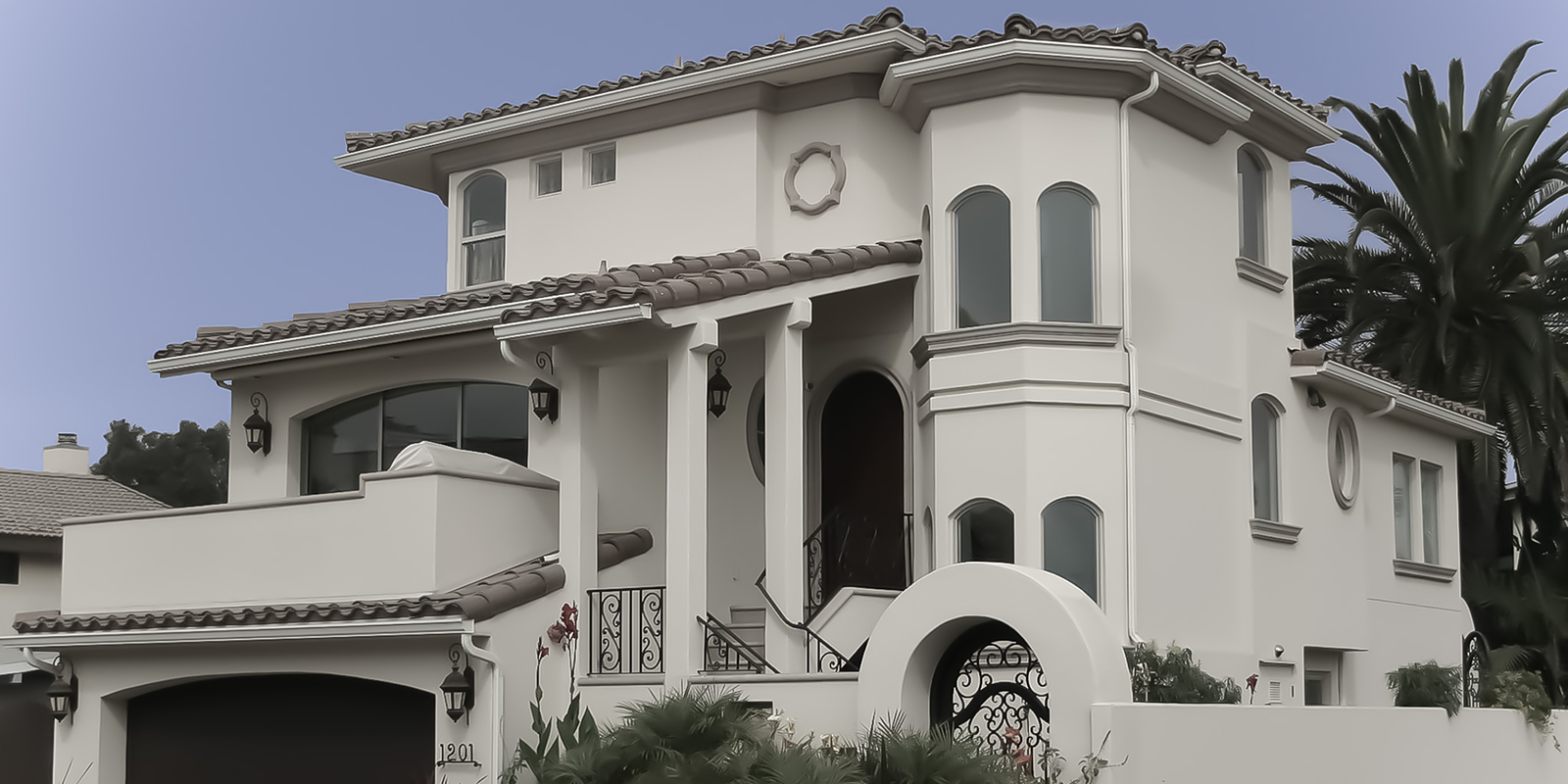
Coastal Living and Architecture Near the Pacific Ocean
Posted Aug 15 2024 | By Admin | Tag(s) Architecture , Lifestyle | Comments 2 Comments
The Central Coast of California, stretching from the dramatic bluffs of Monterey County to the welcoming shores of Ventura County, offers one of the most desirable settings for coastal living in the state. Communities near San Luis Obispo—such as Avila Beach, Shell Beach, Cayucos, and the edges of SLO itself—benefit immensely from their proximity to the Pacific Ocean. Cool ocean breezes moderate temperatures, dramatic coastal views provide daily inspiration, and a profound connection to nature shapes both lifestyle and architecture. Here, homes are not merely shelters but carefully crafted observatories and sanctuaries that embrace the sea while respecting its power.
The Unique Influence of the Pacific on Design
Living near the Pacific fundamentally influences architectural decisions on the Central Coast. Mild yet variable weather, persistent marine layer, strong afternoon winds, and salt-laden air demand designs that are both resilient and responsive. Architects and homeowners strive for a delicate balance: maximizing breathtaking ocean vistas and the restorative qualities of coastal life, while protecting structures from corrosion, moisture intrusion, and wind-driven rain.
This results in homes that feel deeply connected to their environment—light-filled, airy, and oriented toward the horizon—yet engineered for longevity in a challenging marine climate.
Framing Ocean Views While Withstanding the Elements
One of the defining features of coastal homes near San Luis Obispo is the intentional framing of Pacific views. Architects employ large expanses of glass, floor-to-ceiling windows, and strategically placed picture windows to capture panoramic sunsets, rolling waves, and the rugged coastline. Elevated decks, cantilevered balconies, and rooftop terraces extend living space outward, offering prime vantage points for whale watching, dramatic sunsets, or simply soaking in the endless blue.
However, these generous openings must be paired with robust protection. Salt air accelerates corrosion of metals and degradation of standard materials, so coastal designs prioritize durable, marine-grade solutions:
- Corrosion-resistant materials: Marine-grade stainless steel hardware, hot-dip galvanized connectors, fiberglass window frames, and specially coated aluminum are standard. Fiberglass is especially prized because it resists rot, rust, and warping in the salty environment.
- Exterior finishes: Fiber-cement siding, stucco, or naturally rot-resistant woods (often with protective stains or sealants) help buildings endure constant exposure to moisture and wind.
- Thoughtful detailing: Overhangs, rainscreens, and well-engineered flashing systems minimize water intrusion. Elevated foundations or pier-and-beam systems in some bluff locations address erosion concerns and improve views.
These practical choices ensure that the romance of coastal living doesn’t come at the expense of structural integrity or high maintenance costs.
Popular Architectural Styles for Central Coast Coastal Homes
Coastal architecture in the region draws from several compatible traditions while incorporating modern sensibilities:
- Mediterranean Revival and Spanish Colonial influences: Red tile roofs, thick stucco walls, arched openings, and courtyards echo the region’s historic missions and provide natural thermal mass and shade—ideal for the sunny yet breezy climate.
- Contemporary Coastal / California Modern: Clean lines, expansive glass facades, minimalist forms, and seamless indoor-outdoor transitions define newer builds. These homes often feature open floor plans, neutral palettes inspired by sand and sea, and cantilevered decks that seem to float above the landscape.
- Craftsman and California Cottage styles: Warm wood details, generous porches, and bungalow charm bring a relaxed, human scale that feels at home along the Central Coast.
- Modern interpretations: Many custom homes blend elements—such as a modern glass pavilion paired with traditional massing—to create fresh yet contextually sensitive designs.
Homes in areas like Cayucos or Shell Beach frequently showcase bright, spacious interiors optimized for beach living, while properties perched on hillsides above Avila Beach or Pismo emphasize dramatic view corridors.
Embracing Outdoor Living and Indoor-Outdoor Flow
Outdoor spaces are central to coastal living on the Central Coast. Mild temperatures year-round make elevated decks, covered loggias, patios, and breezeways essential gathering areas for family and friends. These zones often include built-in seating, outdoor kitchens, fire pits, and shading structures that protect against wind while preserving views.
Large sliding or pocket glass doors dissolve the boundary between indoors and out, allowing ocean breezes to flow through the home and turning everyday moments—morning coffee, evening wine, weekend barbecues—into immersive sensory experiences. Many designs incorporate protected outdoor rooms that shield from prevailing winds while still offering a front-row seat to the Pacific.
Connection to Nature and a Coastal Lifestyle
Beyond technical considerations, successful coastal architecture celebrates the beauty and serenity of the marine environment. Interiors often feature soft, light-reflecting palettes (whites, soft blues, seafoam greens, warm sands), natural textures (wood, stone, linen), and minimal ornamentation that keeps the focus on the view outside.
Biophilic elements—such as strategic placement of windows to frame seascapes, incorporation of native coastal plants in landscaping, and the use of sustainable materials—deepen residents’ daily connection to nature. This design philosophy supports wellness by bringing in abundant natural light, fresh air, and calming ocean sounds, which can reduce stress and enhance overall quality of life.
In communities close to the water, architecture also considers public access, environmental sensitivity, and California Coastal Commission guidelines, ensuring new development respects bluff stability, habitat preservation, and scenic corridors.
The Dual Goal: Protection and Celebration
In coastal architecture near San Luis Obispo, the core objective is twofold: to safeguard structures against the relentless forces of wind, salt, and moisture, and to joyfully celebrate the extraordinary natural setting. A well-designed coastal home doesn’t hide from the ocean—it engages with it thoughtfully.
The best examples create spaces where residents feel simultaneously protected and liberated. Morning light floods the kitchen as waves crash in the distance. Afternoon breezes cool the living room while the family gathers on the deck. Evening brings golden sunsets viewed from a comfortable perch that feels like an extension of the home itself.
Living the Coastal Dream on the Central Coast
For those fortunate enough to call the Central Coast home—or dreaming of doing so—coastal architecture offers a rare opportunity to live in harmony with one of nature’s most powerful and beautiful forces. Whether it’s a contemporary glass-walled retreat in Shell Beach, a Mediterranean-inspired villa overlooking Avila Bay, or a refreshed cottage steps from the sand in Cayucos, these homes embody the essence of California coastal living: relaxed, resilient, view-oriented, and deeply connected to the Pacific.
When planning or remodeling a home near the ocean, working with local architects experienced in marine conditions is essential. They understand the microclimates, prevailing wind patterns, material performance in salt air, and regulatory nuances that shape successful coastal projects.
Ultimately, great coastal architecture on the Central Coast does more than withstand the elements—it elevates daily life, turning proximity to the Pacific into a constant source of joy, inspiration, and tranquility. It reminds us that the best homes don’t just shelter us from nature; they invite its beauty inside while honoring its strength.
If you’re considering a coastal property in San Luis Obispo County, prioritize designs that thoughtfully balance view maximization, durability, indoor-outdoor living, and a genuine sense of place. The ocean is waiting—and the right architecture ensures you can enjoy it for generations to come.
Want to learn more about GFH Architecture, Planning & Graphics?
Disclaimer
GFH Architecture does NOT represent or endorse the accuracy or reliability of any information or content contained on, distributed through or linked, downloaded or accessed on our Blog. The Authors expressed views and opinions are for entertainment, information and discussion purposes only. By viewing our Blog you signify your agreement that you must evaluate and make your own judgement, and bear all risks associated with, the use of any content on our Blog. Site Administrator
-
GFH has over 40 years of architectural experience serving the Central Coast.
-
Contact us today to discover how we can best serve you on your next building project.
-
Tel: +1 (805) 466-7674
-
Email: gary@gfharchitecture.com
John Smith Aug 15 2024
Your approved reply could appear here. Share your opinions and join the conversation.
ReplyJohn Smith Aug 15 2024
Your approved reply could appear here. Share your opinions and join the conversation.
ReplyLeave a Reply