Architecture and Outdoor Recreation on the Central Coast
Posted Sep 15 2024 | By Admin | Tag(s) Architecture , Lifestyle | Comments 2 Comments
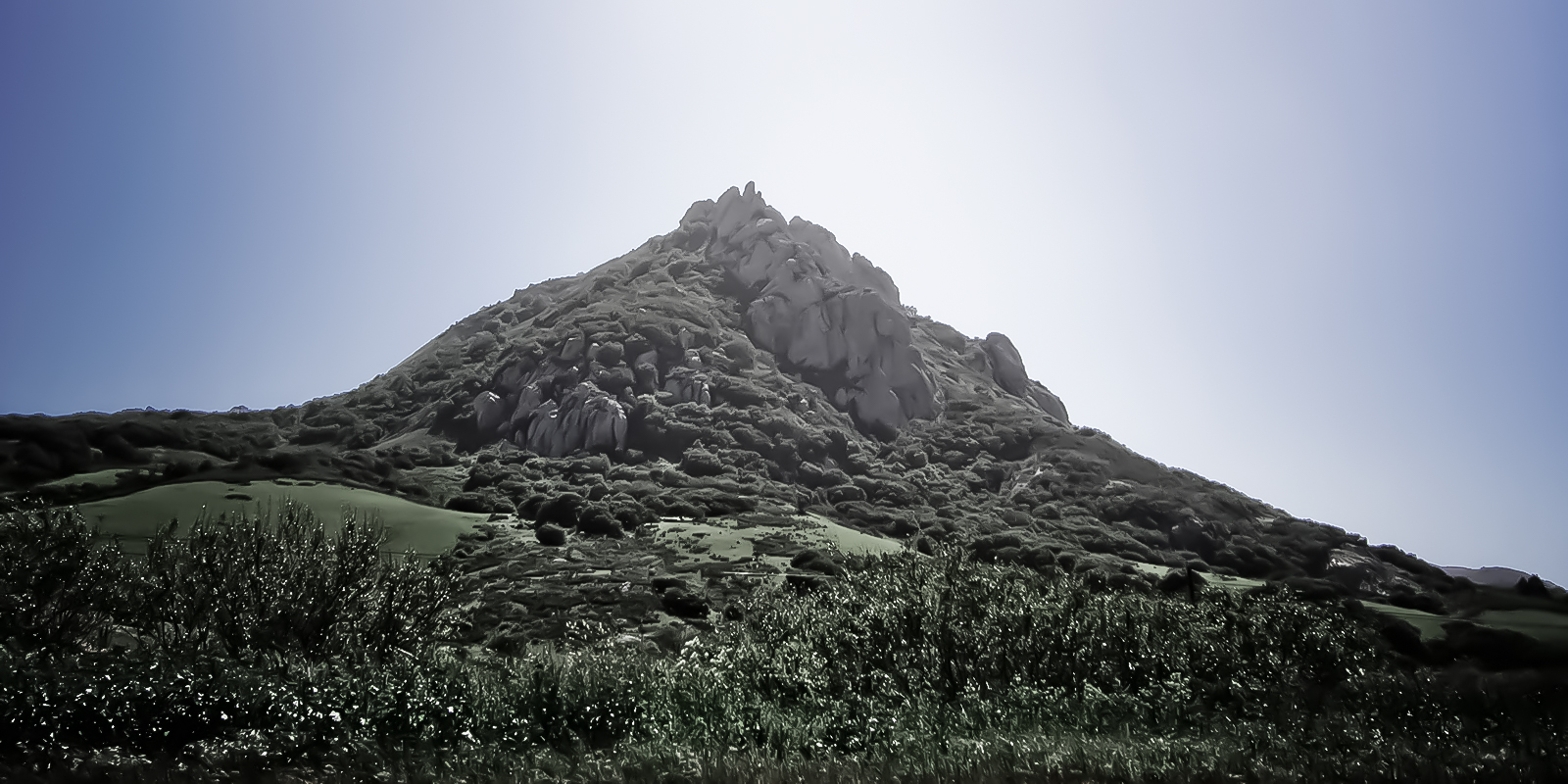
The Central Coast of California, anchored by San Luis Obispo (SLO) and its surrounding communities, stands out as a premier destination for outdoor recreation. With mild Mediterranean weather, dramatic Pacific coastline, volcanic peaks known as the Nine Sisters, rolling oak woodlands, and pristine state parks, residents and visitors enjoy seamless access to hiking, cycling, surfing, kayaking, beachcombing, and more. This active lifestyle profoundly shapes how homes, neighborhoods, and public spaces are designed—blending architecture with the natural landscape in ways that celebrate movement, connection to nature, and everyday adventure.
The Outdoor Recreation Scene on the Central Coast
Outdoor life here is not a weekend luxury but a daily rhythm. Locals lace up for sunrise hikes on Bishop Peak or Cerro San Luis (two of the iconic Morros), where moderate-to-strenuous trails reward climbers with sweeping views of the coastline, vineyards, and distant ocean. Nearby, Montaña de Oro State Park offers over 8,000 acres of rugged coastal trails, tide pools, and equestrian paths, while Pismo Preserve and Fiscalini Ranch Preserve deliver gentler ocean-bluff walks with wildflower displays in spring.
Cycling enthusiasts thrive on a mix of paved paths and scenic routes. The Bob Jones City-to-the-Sea Trail provides a shaded, car-free ride from SLO through farmland to Avila Beach. Road cyclists explore the Pacific Coast Bike Route along Highway 1 or loop through Edna Valley wine country, while mountain bikers tackle technical trails in Montaña de Oro or newer additions like the Laguna Lake bike park. Beaches from Avila and Pismo to Morro Bay and beyond invite surfing, stand-up paddleboarding, kayaking, and simple sunset strolls.
This abundance of accessible recreation fosters a deeply active, health-oriented culture where trailheads often sit minutes from downtown or residential neighborhoods.
Homes Designed for an Active Lifestyle
In San Luis Obispo homes, architectural details increasingly reflect the priority placed on outdoor pursuits. Practical features make transitioning between adventures and everyday living effortless and mess-free.
Mudrooms have become essential. These transitional spaces—often located near garages or side entrances—feature durable flooring (think slate, concrete, or porcelain tile), built-in benches for removing boots or wetsuits, hooks for jackets and packs, and cubbies or lockers for organized gear storage. Families with active kids or multiple adventurers appreciate sinks for rinsing sandy towels or muddy paws, turning what could be chaos into an orderly reset zone.
Dedicated outdoor gear storage is another hallmark. Many new builds or remodels include oversized garages with wall-mounted bike racks, kayak storage systems, surfboard lockers, and shelving for hiking poles, backpacks, and camping equipment. Climate-controlled spaces protect high-end bikes or wetsuits, while ventilated areas prevent gear from retaining moisture or odors after beach or trail use.
Outdoor showers rank among the most coveted features for coastal homes. Positioned near patios, pool areas, or side yards, these rustic or modern fixtures (often with hot water) allow residents to rinse off salt, sand, and sunscreen before stepping inside. They preserve interior cleanliness, extend the enjoyment of beach days, and add a vacation-like luxury to daily routines. Many designs incorporate natural stone or wood accents that harmonize with the surrounding landscape.
Beyond these functional elements, homes emphasize indoor-outdoor living. Large sliding or pocket doors open great rooms to covered patios, loggias, or decks overlooking hills or gardens. This flow encourages post-hike yoga sessions, al fresco dinners after a bike ride, or simply bringing the outdoors in. Architectural styles common in the region—such as updated Craftsman, Spanish Revival, modern farmhouse, or clean contemporary—lend themselves to these connections, with generous overhangs for shade and rain protection during the occasional coastal drizzle.
Neighborhoods Shaped by Trails, Parks, and Access
Trailheads, open spaces, and scenic overlooks actively influence neighborhood planning across the Central Coast. Many SLO communities prioritize walkability and direct access to nature, creating vibrant, pedestrian-friendly environments where residents can step out their door and onto a trail within minutes.
Neighborhoods like Ferrini Heights sit adjacent to trails leading to Bishop Peak and Madonna Mountain, offering a true “hike-from-home” lifestyle. Areas near Irish Hills, Laguna Lake, and Johnson Ranch Open Space integrate green corridors and multi-use paths that support daily walks, runs, or bike commutes. City planners have preserved thousands of acres of open space—SLO alone manages about 7,000 acres—ensuring that new developments maintain generous setbacks, view corridors, and trail linkages.
This approach strengthens community bonds while promoting physical and mental well-being. Bike paths, such as extensions of the Madonna Bike Path or connections to the Bob Jones Trail, reduce car dependency for short trips and weave recreation into the urban fabric. The result is neighborhoods that feel embedded in the landscape rather than imposed upon it.
Public Architecture Supporting Recreation
Public buildings and facilities play a vital supporting role. Visitor centers and interpretive facilities at state parks (such as Montaña de Oro or Morro Bay) blend education with welcome, often featuring sustainable design elements like natural materials, passive solar strategies, and minimal visual impact to respect the environment. These structures serve as gateways, offering trail maps, exhibits on local ecology, and gathering spots for guided walks or community events.
Community parks, recreation centers, and trailheads incorporate thoughtful architecture—shade structures, restrooms with clean modern lines, amphitheaters for outdoor programs, and flexible spaces for everything from farmers’ markets to yoga classes. County and city parks departments emphasize durability, accessibility, and low-maintenance designs that withstand heavy use while enhancing the natural setting.
Architecture as a Bridge Between Lifestyle and Landscape
When architectural design actively encourages an active outdoor lifestyle, it deepens the relationship between people and the Central Coast’s extraordinary natural environment. Homes with easy gear storage and mudrooms reduce friction, making it simpler to get out the door. Neighborhoods planned around trails and open space invite spontaneous adventures. Public facilities that celebrate rather than dominate the land foster stewardship and community pride.
This synergy creates a virtuous cycle: thoughtful design supports more time spent hiking volcanic peaks, cycling coastal routes, or exploring tide pools, which in turn cultivates greater appreciation for preserving the landscapes that make the region special. In an era of increasing awareness around wellness and sustainability, Central Coast architecture embodies a balanced philosophy—comfortable modern living that remains grounded in nature.
Embracing the Active Central Coast Life
For residents and those dreaming of calling SLO home, the interplay between architecture and outdoor recreation produces spaces that feel alive and purposeful. Whether you’re adding an outdoor shower and mudroom during a remodel, selecting a home near trail access, or designing a new build with generous indoor-outdoor flow and gear storage, these choices enhance daily joy and long-term connection to place.
The Central Coast offers a rare opportunity: live where world-class recreation is woven into the fabric of home and community. By prioritizing designs that support hiking boots by the door, bikes in the garage, and salty hair under the outdoor shower, architecture here doesn’t just shelter us—it sets the stage for a richer, more vibrant life in one of California’s most scenic and active regions.
If you’re planning a project or home search in San Luis Obispo County, look for architects and designers experienced in the local climate and lifestyle. The trails, beaches, and peaks are waiting—just make sure your home is ready to welcome you back after every adventure.
Want to learn more about GFH Architecture, Planning & Graphics?
Disclaimer
GFH Architecture does NOT represent or endorse the accuracy or reliability of any information or content contained on, distributed through or linked, downloaded or accessed on our Blog. The Authors expressed views and opinions are for entertainment, information and discussion purposes only. By viewing our Blog you signify your agreement that you must evaluate and make your own judgement, and bear all risks associated with, the use of any content on our Blog. Site Administrator
-
GFH has over 40 years of architectural experience serving the Central Coast.
-
Contact us today to discover how we can best serve you on your next building project.
-
Tel: +1 (805) 466-7674
-
Email: gary@gfharchitecture.com
John Smith Sep 15 2024
Your approved reply could appear here. Share your opinions and join the conversation.
ReplyJohn Smith Sep 15 2024
Your approved reply could appear here. Share your opinions and join the conversation.
ReplyLeave a Reply