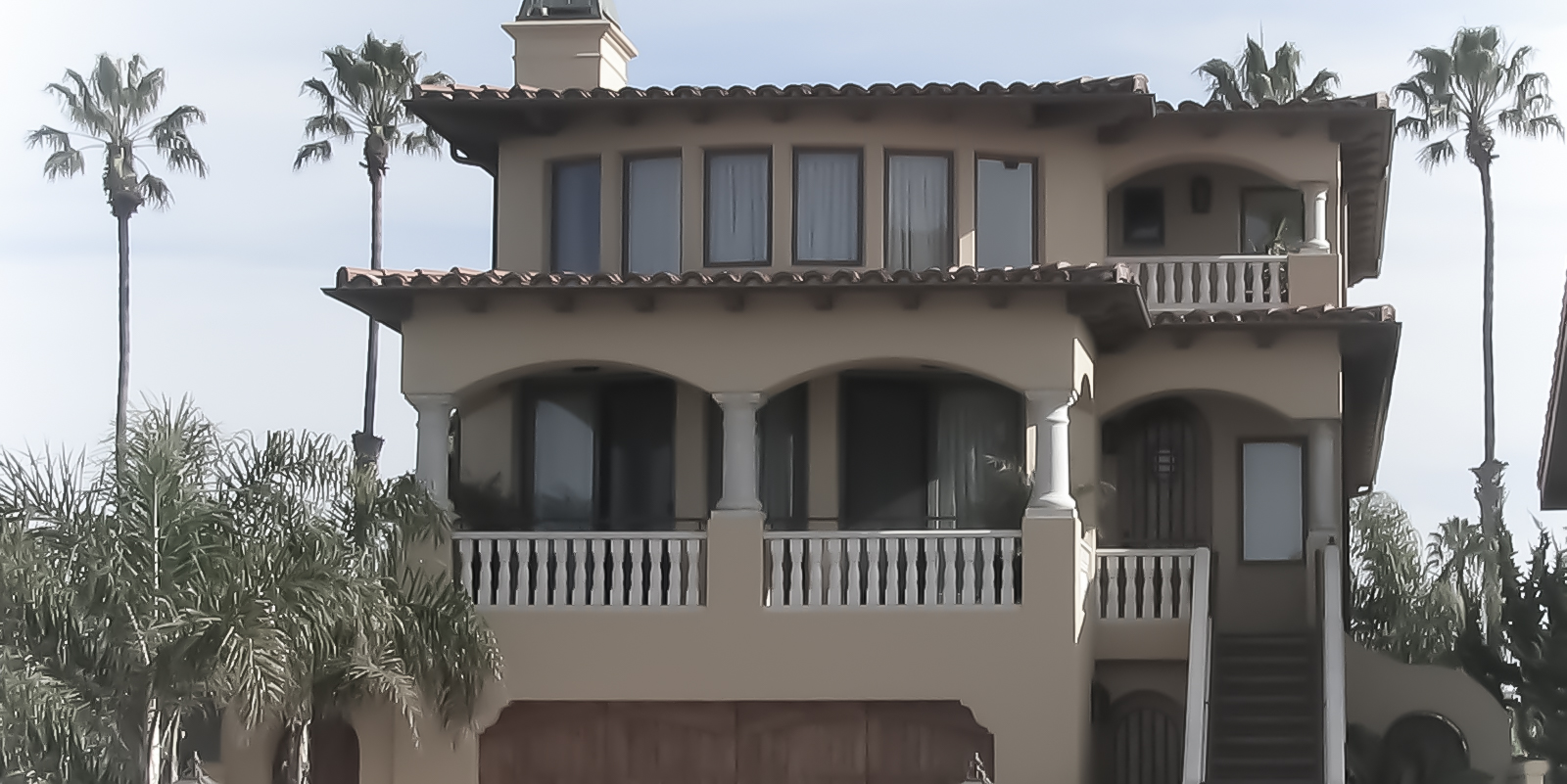
Designing Homes for Coastal Climate Conditions
Posted Jan 15 2024 | By Admin | Tag(s) Architecture , Lifestyle | Comments 2 Comments
Designing for Salt Air and Marine Conditions: Creating Durable Coastal Homes Building near the ocean offers breathtaking views and a unique lifestyle, but it also introduces significant environmental challenges. Salt-laden air, high humidity, persistent coastal winds, and occasional salt spray or driving rain accelerate corrosion, moisture intrusion, and material degradation. Without proper planning, these factors can shorten a structure's lifespan and lead to costly repairs. Thoughtful architectural design and material selection are essential to ensure coastal homes not only withstand the harsh marine environment but also retain their beauty and functionality for decades.
Understanding the Coastal Environment's Impact
Salt air is highly corrosive because chloride ions in seawater mist and aerosols break down many common building materials. Combined with elevated humidity and wind-driven rain, this creates an aggressive environment that promotes rust on metals, rot in wood, mold growth, and premature failure of finishes. On California's Central Coast — with its mix of fog, strong breezes, and occasional storms—these effects are pronounced, demanding materials and detailing tailored to marine exposure.
Architects and builders must consider not just aesthetics but also long-term performance, compliance with local coastal building codes, and resilience against wind loads and moisture. The goal is a "building envelope" that resists penetration while allowing controlled ventilation and drying.
Key Material Choices for Corrosion Resistance
Specifying the right materials is the foundation of successful coastal design. Prioritize options proven in marine settings:
- Hardware and Fasteners: Use marine-grade stainless steel, particularly Type 316 (which contains molybdenum for superior resistance to pitting and crevice corrosion from chlorides). Type 304 offers good performance in milder coastal zones but is less ideal for direct salt spray exposure. Avoid standard carbon steel or lightly galvanized options, as they corrode rapidly.
- Window and Door Systems: Marine-grade aluminum frames with powder-coating or anodized finishes excel here. Aluminum naturally forms a protective oxide layer, and modern thermally broken systems add energy efficiency while resisting salt-induced corrosion. These systems handle high winds and maintain tight seals against moisture. Fiberglass or vinyl alternatives can also perform well with proper reinforcement.
- Structural Elements and Railings: Opt for aluminum, stainless steel, or heavily galvanized (G185 or better) components. Composite or PVC materials for decking and railings provide rot-free, low-maintenance alternatives to wood.
- Roofing: Metal roofing—especially aluminum or zinc-coated systems with high-performance PVDF (Kynar) coatings—offers excellent salt resistance, wind performance, and longevity (often 40–70+ years). Concrete or clay tiles are another strong choice for their non-corrosive nature and wind resistance. Avoid untreated galvanized steel in high-exposure areas, as it can degrade faster.
Exterior Cladding and Siding Solutions
The building's skin must balance durability, aesthetics, and moisture management:
- Fiber-Cement Siding (e.g., James Hardie products): This is one of the top performers in coastal climates. Made from cement, sand, and cellulose fibers, it resists salt spray, moisture, UV damage, fire, and pests. It offers the look of wood without the warping or rot, with lifespans of 30–50+ years and minimal maintenance.
- Durable Stucco Systems: Traditional or synthetic stucco can work well when installed over a proper drainage plane and water-resistive barrier (especially in marine climates, per updated building codes requiring enhanced drying capacity). It provides a seamless, Mediterranean aesthetic common on the Central Coast but requires careful detailing to prevent cracking from humidity fluctuations.
- Treated or Engineered Wood: Naturally durable species (like redwood or cedar) or pressure-treated options can succeed with regular sealing and maintenance, though they generally demand more upkeep than fiber-cement or composites.
- Other Options: Composite panels, brick veneer, or stone offer additional longevity in select applications.
Proper installation is critical: Incorporate rainscreen systems, drainage gaps, and high-quality flashing to direct water away from the structure and allow the wall assembly to dry effectively.
Moisture Management and Ventilation Strategies
Preventing moisture buildup is as important as choosing resistant materials. Coastal homes benefit from:
- Advanced Building Envelopes: Use high-performance water-resistive barriers, housewraps, and sealed penetrations. In marine climates, codes often require two layers or enhanced drainage for stucco and other claddings.
- Strategic Ventilation: Cross-ventilation through well-placed operable windows and vents helps expel humid air, reduce condensation, and improve indoor air quality. Consider passive or mechanical systems like ERVs (energy recovery ventilators) in tighter, energy-efficient homes.
- Elevated Design Elements: Raise structures where possible to minimize ground moisture and salt accumulation. Proper roof overhangs, eaves, and drip edges further shield walls from wind-driven rain.
- Interior Considerations: Select mold-resistant drywall, paints, and finishes. Adequate dehumidification or HVAC design prevents internal humidity issues.
Additional Design Best Practices
- Wind and Impact Resistance: Use high-wind-rated fasteners, impact-resistant glass (especially in storm-prone zones), and reinforced connections to maintain structural integrity.
- Maintenance Planning: Even the best materials benefit from periodic rinsing to remove salt buildup, inspections of seals and coatings, and timely touch-ups.
- Aesthetic Integration: Coastal homes can blend modern minimalism, California casual, or traditional styles while prioritizing performance. Earth-toned, non-reflective finishes help structures harmonize with the natural landscape.
- Sustainability Angle: Many coastal-resistant materials (fiber-cement, recycled-content composites, durable metals) also support lower lifecycle emissions through longevity and reduced replacement needs.
Thriving in the Marine Environment
When architects, engineers, and builders collaborate with a deep understanding of local conditions, coastal homes become resilient sanctuaries. Durable materials like 316 stainless steel, marine aluminum, and fiber-cement siding—combined with meticulous detailing for moisture control and ventilation—allow structures to endure salt air, humidity, and winds while preserving stunning ocean views and architectural appeal.
The result is not just a house that survives the coast, but one that thrives: low-maintenance, energy-efficient, and beautiful for generations. Whether designing a new build or renovating an existing Central Coast property, investing in marine-specific strategies pays dividends in performance, property value, and peace of mind.
Consult local experts familiar with California coastal regulations early in the process to ensure compliance and optimize outcomes. With thoughtful design, your oceanside home can stand as a testament to elegance meeting endurance.
Want to learn more about GFH Architecture, Planning & Graphics?
Disclaimer
GFH Architecture does NOT represent or endorse the accuracy or reliability of any information or content contained on, distributed through or linked, downloaded or accessed on our Blog. The Authors expressed views and opinions are for entertainment, information and discussion purposes only. By viewing our Blog you signify your agreement that you must evaluate and make your own judgement, and bear all risks associated with, the use of any content on our Blog. Site Administrator
-
GFH has over 40 years of architectural experience serving the Central Coast.
-
Contact us today to discover how we can best serve you on your next building project.
-
Tel: +1 (805) 466-7674
-
Email: gary@gfharchitecture.com
John Smith Jan 15 2023
Your approved reply could appear here. Share your opinions and join the conversation.
ReplyJohn Smith Jan 15 2023
Your approved reply could appear here. Share your opinions and join the conversation.
ReplyLeave a Reply