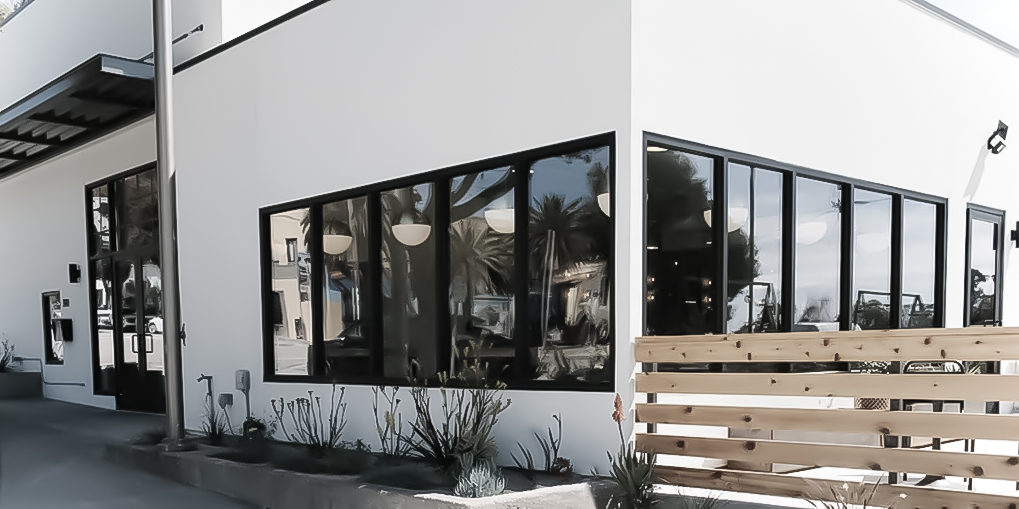
Former Morro Bay Bank of America repurposed as Scout Coffee, roastery, cafe, and comissary bakery.
Adaptive Reuse: Breathing New Life Into Central Coast Buildings
Posted Feb 15 2024 | By Admin | Tag(s) Architecture , Lifestyle | Comments 2 Comments
In communities across California's Central Coast—from Santa Barbara to San Luis Obispo and beyond—adaptive reuse is gaining momentum as a smart, sustainable alternative to new construction or demolition. Property owners, developers, architects, and local governments are increasingly turning to this approach: transforming underutilized or obsolete structures into vibrant, functional spaces that serve today's needs while honoring the past.
Instead of razing buildings that have outlived their original purpose, creative repurposing preserves architectural character, reduces environmental impact, and injects new energy into neighborhoods.
What is Adaptive Reuse?
Adaptive reuse involves converting an existing building—whether historic, industrial, agricultural, or commercial—into a new use without significant demolition. Think of a former bank becoming artist lofts or a coffee house as pictured above, an old warehouse turning into mixed-use housing, or a historic adobe structure hosting a modern café and bakery. The goal is to retain the building's shell, structural integrity, and unique features while making targeted updates for contemporary functionality.
This practice differs from simple renovation or restoration. It fundamentally changes the building's purpose to meet evolving demands, such as housing shortages, commercial shifts, or community needs. On the Central Coast, where land is limited and heritage runs deep, adaptive reuse offers a balanced path forward.
Why Adaptive Reuse Matters on the Central Coast
The Central Coast's built environment features a rich mix of historic adobes, agricultural barns, mid-century commercial buildings, and older offices that embody the region's layered history—from Spanish colonial roots to 20th-century growth. These structures often boast irreplaceable elements: thick walls, high ceilings, exposed beams, or distinctive facades that new construction struggles to replicate cost-effectively.
Local initiatives are accelerating adoption. In Santa Barbara, for instance, the city has adopted a specific Adaptive Reuse Ordinance to encourage converting nonresidential buildings (at least five years old) into housing or mixed-use spaces in eligible inland zones. This includes incentives like relaxed density limits, reduced parking requirements (with bicycle parking instead), and allowances for minor additions for accessibility or code compliance—while protecting active ground-floor uses on key streets like State Street.
Similar efforts appear elsewhere on the coast, including repurposing projects that support affordable housing, tourism, and local business revitalization. These align with broader California pushes, such as state-level working groups examining barriers and opportunities for adaptive reuse to address housing and climate goals.
Environmental Benefits: The Greenest Building Is the One Already Standing
One of the strongest arguments for adaptive reuse is its sustainability edge. New construction carries a heavy carbon footprint—from extracting raw materials and manufacturing to transportation and on-site building. Demolition adds waste to landfills.
By contrast, adaptive reuse:
- Minimizes waste — Reusing the existing structure diverts tons of debris from landfills.
- Lowers embodied carbon — It avoids the energy-intensive production of new concrete, steel, and other materials.
- Reduces overall emissions — Retrofitting for energy efficiency (better insulation, modern HVAC, solar integration) often makes older buildings perform better than many new ones.
- Conserves resources — It limits land disturbance and urban sprawl by intensifying use of already-developed sites.
Studies and experts consistently rank adaptive reuse as a key strategy for climate-friendly development, helping cities meet sustainability targets while cutting long-term operational energy use.
Economic and Social Advantages
Beyond the environment, adaptive reuse delivers tangible economic wins. Projects can be faster and, in many cases, more cost-effective than ground-up builds, especially when avoiding full demolition and site preparation. They often qualify for historic tax credits, density bonuses, or other incentives.
For communities, the benefits multiply:
- Preservation of character — Retaining historic or distinctive buildings maintains a sense of place and cultural identity, which boosts tourism and local pride.
- Revitalization — Vacant or blighted properties become active contributors, increasing foot traffic, supporting businesses, and raising property values in surrounding areas.
- Housing and mixed-use innovation — Many projects address California's housing crunch by creating residential units, live-work spaces, or affordable options in walkable locations. Examples include conversions to artist housing or supportive units.
- Social fabric — These spaces foster community hubs—cafés, galleries, offices, or residences—that encourage interaction and inclusivity.
On the Central Coast, this approach supports economic development without sacrificing the agricultural and historic landscapes that define the region. It can transform underused agricultural structures into event venues or tasting rooms or repurpose commercial buildings into vibrant downtown anchors.
The Process: Challenges and Creative Solutions
Successful adaptive reuse requires thoughtful planning. Teams typically address:
- Structural upgrades — Reinforcing for seismic standards common in California, or adapting floor plates for new layouts.
- Code compliance — Meeting modern fire safety, accessibility, and energy requirements while preserving original features.
- Hazard remediation — Safely handling older materials like lead paint or asbestos.
- Interior reconfiguration — Introducing natural light, flexible spaces, or sustainable systems without erasing historical charm.
Challenges exist, such as higher upfront costs in some cases or navigating regulations, but incentives and experienced local architects (many of whom specialize in Central Coast heritage projects) help overcome them. The result? Buildings that feel both timeless and forward-looking.
Looking Ahead: A Growing Trend
As of 2024, adaptive reuse continues to rise in prominence amid housing demands, climate priorities, and shifting work patterns. On the Central Coast, it positions communities to grow sustainably—preserving heritage while accommodating new residents and businesses.
Whether it's a Santa Barbara office becoming residences, a Monterey adobe warehouse hosting a farm-to-table restaurant, or broader regional efforts to reuse commercial stock, these projects exemplify creative stewardship of our built environment.
Property owners and developers interested in exploring adaptive reuse should consult local planning departments, architects familiar with regional incentives, and sustainability experts. The payoff is a distinctive, resilient space that contributes to a more vibrant, environmentally responsible Central Coast for generations to come.
By choosing reuse over replacement, we not only give buildings a second life—we strengthen the communities they inhabit.
Want to learn more about GFH Architecture, Planning & Graphics?
Disclaimer
GFH Architecture does NOT represent or endorse the accuracy or reliability of any information or content contained on, distributed through or linked, downloaded or accessed on our Blog. The Authors expressed views and opinions are for entertainment, information and discussion purposes only. By viewing our Blog you signify your agreement that you must evaluate and make your own judgement, and bear all risks associated with, the use of any content on our Blog. Site Administrator
-
GFH has over 40 years of architectural experience serving the Central Coast.
-
Contact us today to discover how we can best serve you on your next building project.
-
Tel: +1 (805) 466-7674
-
Email: gary@gfharchitecture.com
John Smith Feb 15 2024
Your approved reply could appear here. Share your opinions and join the conversation.
ReplyJohn Smith Feb 15 2024
Your approved reply could appear here. Share your opinions and join the conversation.
ReplyLeave a Reply