Small-Town Charm and Architectural Character
Posted Oct 15 2024 | By Admin | Tag(s) Architecture , Lifestyle | Comments 2 Comments
The Central Coast of California is celebrated for its genuine small-town atmosphere, and few places capture this spirit better than Templeton. Nestled in the heart of Paso Robles wine country, Templeton offers tree-lined streets, historic storefronts, friendly neighborhoods, and a relaxed pace that feels increasingly rare in modern California. This small-town charm is deeply intertwined with its architectural character — a harmonious blend of historic roots and thoughtful contemporary interpretation that defines the visual and emotional identity of the community.
Preserving and enhancing this unique sense of place has become a central priority for homeowners, business owners, and architects working in Templeton and similar Central Coast towns like Los Alamos, Cayucos, and parts of San Luis Obispo.
The Enduring Appeal of Small-Town Architectural Character
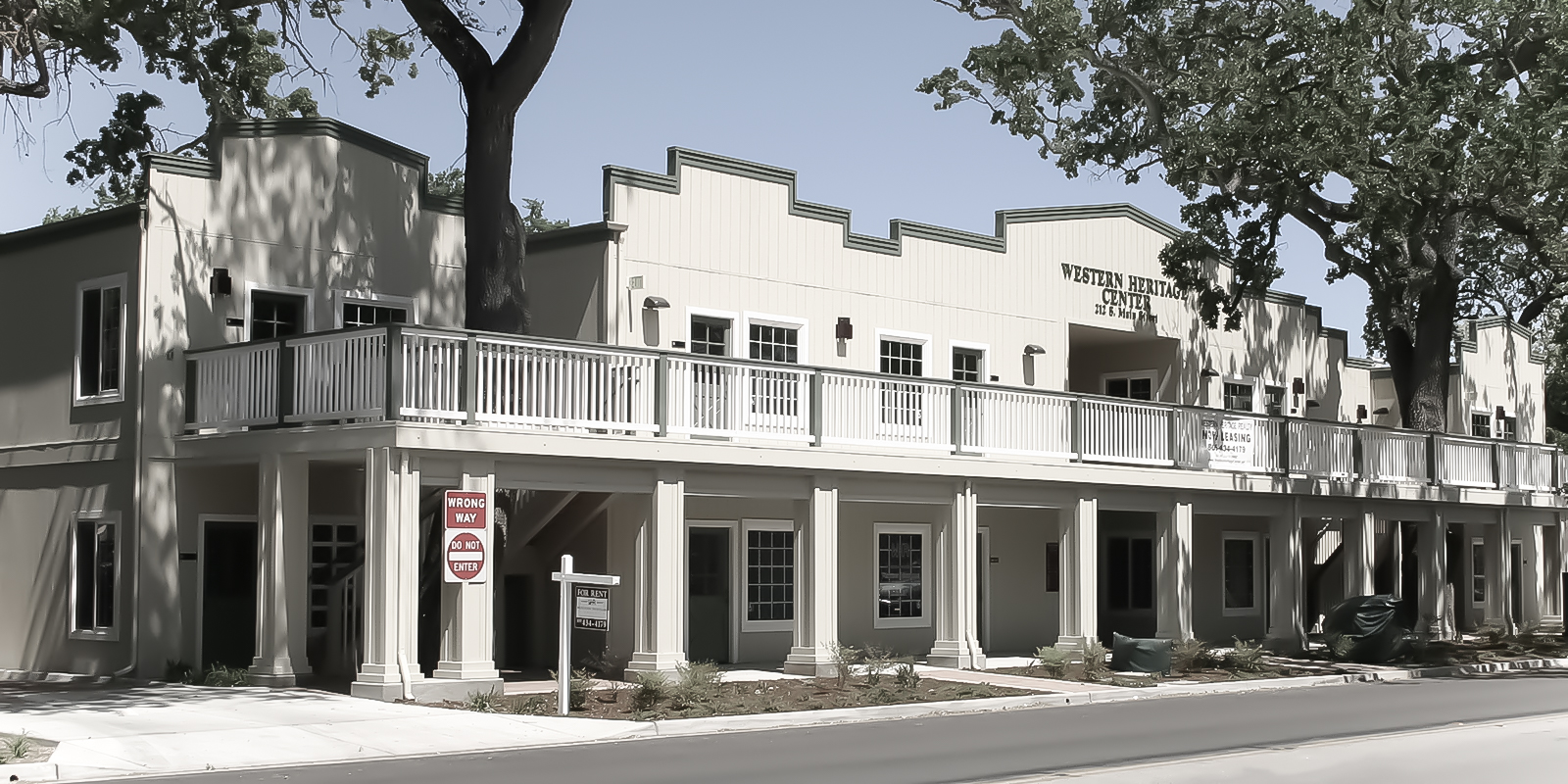
Templeton’s historic downtown and surrounding neighborhoods draw heavily from early 20th-century architectural traditions. Victorian-era homes, Craftsman bungalows, Western false-front commercial buildings, and modest California ranch styles tell the story of the town’s agricultural and railroad heritage. These structures feature generous front porches, pitched roofs, natural wood detailing, and human-scale proportions that foster a warm, approachable feel.
This architectural language creates visual continuity and a strong sense of belonging. In Templeton, walking down Main Street or through residential streets feels cohesive and inviting precisely because the buildings respect a shared design vocabulary — even as they adapt to modern living.
New construction and renovations in these areas are therefore expected to honor this established character. Local design guidelines and community expectations encourage buildings that fit comfortably within the existing fabric rather than standing out disruptively.
Blending Traditional Forms with Modern Sensibilities
Today’s architects on the Central Coast have mastered the art of contextual design — respectfully referencing historic styles while incorporating contemporary functionality and performance.
Common approaches include:
- Updated Traditional Styles: Modern interpretations of Craftsman, Spanish Revival, and California Ranch homes that maintain signature elements — such as deep overhangs, exposed rafter tails, wood siding, and symmetrical facades — while opening up interiors with larger windows and open floor plans.
- Material Continuity: Using traditional materials like wood siding, stone, brick, and stucco in fresh ways. For example, fiber-cement siding that mimics real wood but offers superior durability and fire resistance, or reclaimed barn wood incorporated into modern farmhouse designs.
- Scale and Massing: Keeping new buildings at a neighborly scale — avoiding oversized “mcmansions” in favor of thoughtfully proportioned homes that respect street frontages and surrounding structures.
In Templeton, many new homes feature classic gabled roofs, covered front porches, and board-and-batten detailing, yet hide high-performance insulation, efficient HVAC systems, and smart-home technology behind those traditional forms.
Introducing Modern Features Without Sacrificing Charm
While tradition is respected, innovation is equally important. Architects are skillfully integrating modern upgrades that improve livability, sustainability, and energy efficiency:
- Energy-efficient elements discreetly incorporated, such as high-performance windows with traditional divided-light appearances, solar panels integrated into rooflines, and advanced insulation systems.
- Seamless indoor-outdoor living: Large sliding or pocket glass doors that open onto rear patios and gardens, extending the home while maintaining the historic street-facing character.
- Wellness and functionality: Open kitchens designed for entertaining, abundant natural light through clerestory windows and skylights, mudrooms for active outdoor lifestyles, and flexible spaces for remote work or multi-generational living.
- Sustainable site design: Native and drought-tolerant landscaping, permeable driveways, and rainwater collection systems that support both environmental goals and the region’s agricultural aesthetic.
This balanced approach allows homeowners in Templeton to enjoy the best of both worlds: the timeless charm of small-town architecture paired with the comfort, efficiency, and performance expected in 21st-century living.
Preserving Identity While Allowing Organic Growth
The most successful projects in Templeton and other Central Coast communities demonstrate that growth does not have to mean losing identity. Thoughtful design guidelines, sensitive infill development, and creative architectural solutions enable towns to evolve gracefully.
For commercial buildings in downtown Templeton, adaptive reuse of historic structures is particularly popular. Old warehouses and storefronts are being thoughtfully converted into tasting rooms, boutiques, restaurants, and offices while preserving original facades, exposed brick, and timber framing. These projects breathe new life into the town center without erasing its history.
Residentially, accessory dwelling units (ADUs) and thoughtfully designed second homes are adding much-needed housing stock while respecting neighborhood scale and character. When done well, these additions enhance rather than dilute the community’s charm.
The Role of Community and Local Expertise
Maintaining architectural character requires collaboration. Successful projects typically involve architects, designers, and builders who deeply understand the Central Coast — its history, climate, materials, and cultural values. Community input through design review processes also helps ensure that new development contributes positively to the collective aesthetic and small-town feel.
Residents and visitors alike respond warmly to this approach. There is comfort and pride in seeing new buildings that feel like they “belong” in Templeton — structures that honor the past while confidently addressing the needs of the future.
Why This Balance Matters
In an era when many California towns have lost their distinct character to generic development, Templeton and its neighboring communities stand out as models of thoughtful evolution. By balancing tradition with innovation, these towns protect their small-town soul while remaining vibrant and livable.
Architecture that respects historic forms, uses context-appropriate materials, and incorporates modern performance creates neighborhoods that feel authentic, welcoming, and enduring. It supports local businesses, enhances property values, strengthens community pride, and helps attract residents and visitors who appreciate genuine character over cookie-cutter sprawl.
Conclusion: Protecting the Heart of the Central Coast
Small-town charm on the Central Coast is not accidental — it is the result of deliberate, caring design decisions made over generations. In Templeton and similar communities, architecture serves as both guardian and gentle innovator of that character.
By thoughtfully blending traditional forms and materials with energy-efficient technologies, open living spaces, and sustainable practices, today’s architects are ensuring that these towns can grow and adapt without losing their identity. The result is a built environment that feels timeless yet forward-looking — warm front porches paired with bright, efficient interiors; historic-scale storefronts housing modern tasting rooms; and neighborhoods that continue to welcome newcomers while honoring their roots.
For anyone building, remodeling, or investing in Templeton or the broader Central Coast, the guiding principle remains clear: design with respect for the past, intelligence for the present, and vision for the future. When architecture contributes positively to the character of these special towns, it helps preserve one of California’s most cherished qualities — the enduring magic of small-town life surrounded by extraordinary natural beauty.
Want to learn more about GFH Architecture, Planning & Graphics?
Disclaimer
GFH Architecture does NOT represent or endorse the accuracy or reliability of any information or content contained on, distributed through or linked, downloaded or accessed on our Blog. The Authors expressed views and opinions are for entertainment, information and discussion purposes only. By viewing our Blog you signify your agreement that you must evaluate and make your own judgement, and bear all risks associated with, the use of any content on our Blog. Site Administrator
-
GFH has over 40 years of architectural experience serving the Central Coast.
-
Contact us today to discover how we can best serve you on your next building project.
-
Tel: +1 (805) 466-7674
-
Email: gary@gfharchitecture.com
John Smith Oct 15 2024
Your approved reply could appear here. Share your opinions and join the conversation.
ReplyJohn Smith Oct 15 2024
Your approved reply could appear here. Share your opinions and join the conversation.
ReplyLeave a Reply