The Future of Architecture on the Central Coast
Posted Aug 15 2026 | By Admin | Tag(s) Architecture , Lifestyle | Comments 2 Comments
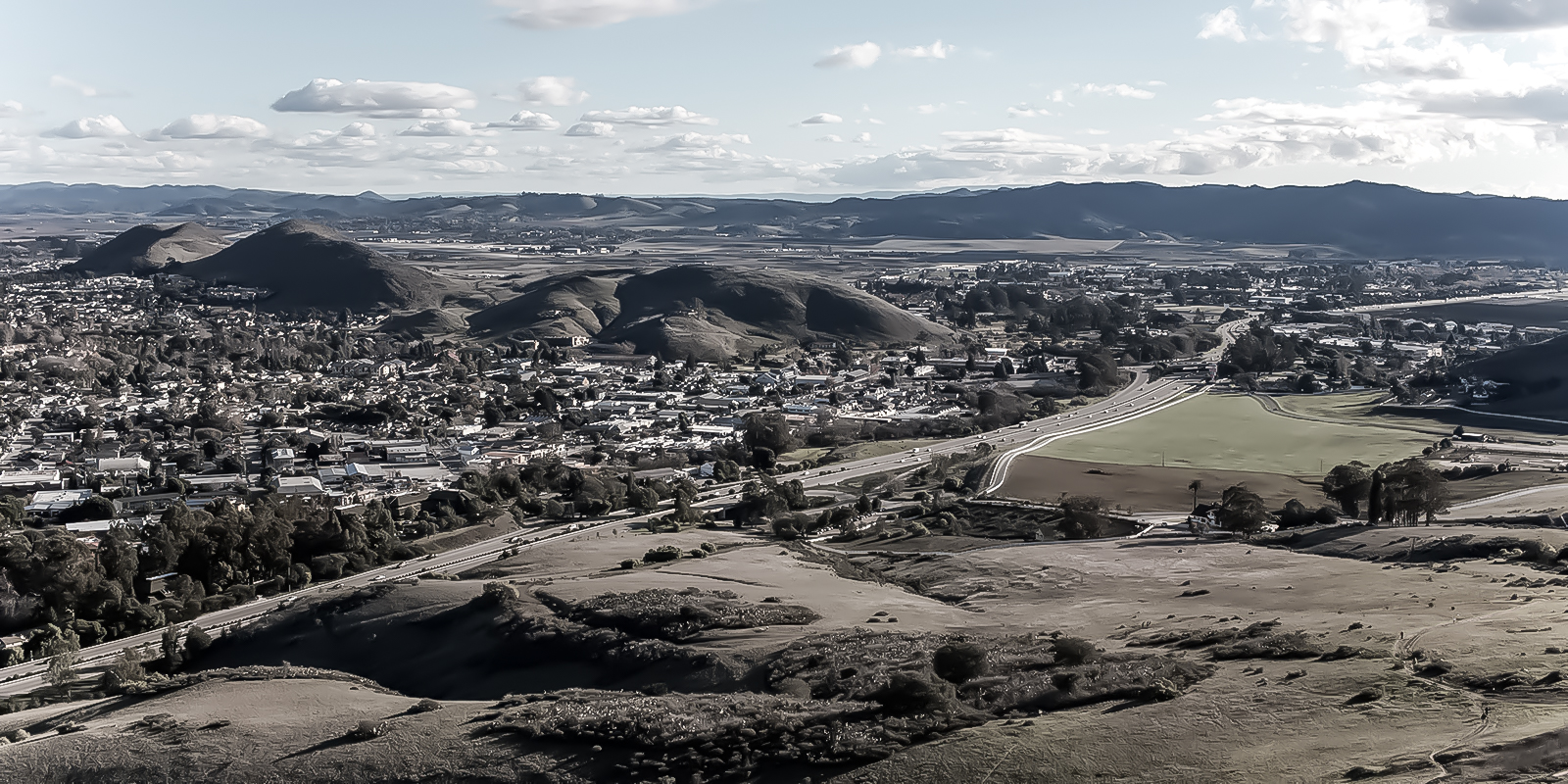
The Central Coast of California — encompassing San Luis Obispo, Paso Robles, Templeton, and the surrounding wine country and coastal communities — stands at a pivotal moment. As the region experiences measured growth, increasing tourism, and the pressures of a changing climate, architecture will play a defining role in shaping its future. Far from being mere shelters, future buildings and communities here must balance thoughtful expansion with the fierce protection of the area’s irreplaceable natural beauty, agricultural heritage, and relaxed quality of life.
The challenge is clear: grow responsibly while honoring what makes the Central Coast special — its rolling vineyards, oak-studded hills, dramatic Pacific coastline, and Mediterranean climate. The opportunity is equally compelling: to pioneer architecture that is sustainable, resilient, deeply connected to place, and supportive of the region’s wellness-oriented, hospitality-driven lifestyle.
Balancing Growth with Preservation
Communities like San Luis Obispo and Paso Robles are actively navigating the tension between development and conservation. Cities are updating General Plans and Specific Area Plans to guide smart, infill-focused growth that prioritizes walkability, mixed-use development, and the preservation of open space and scenic corridors.
In Paso Robles, planning efforts emphasize protecting the character of wine country while allowing for thoughtful residential and commercial expansion. San Luis Obispo continues refining its Land Use and Circulation Element (LUCE) to foster vibrant, inclusive neighborhoods without sprawling into surrounding agricultural and natural lands.
Historic preservation remains a priority, with adaptive reuse of older structures — from downtown Paso Robles buildings to mission-era influences — gaining favor as a sustainable alternative to new construction. This “place keeping” approach values intergenerational knowledge and cultural continuity alongside innovation.
Sustainable and Regenerative Design Takes Center Stage
Sustainability is no longer optional — it is foundational to the future of Central Coast architecture. Forward-looking projects increasingly target net-zero or net-positive performance, where buildings generate as much or more energy than they consume through advanced solar integration, high-performance envelopes, and passive design strategies.
Key emerging trends include:
- Regenerative design that goes beyond minimizing harm to actively restore ecosystems — incorporating native landscaping, rainwater harvesting, and habitats that support local biodiversity.
- Low-carbon and recycled materials, such as mass timber, reclaimed wood, and innovative alternatives to concrete, paired with durable, low-maintenance finishes suited to the marine and wildfire-prone environment.
- Biophilic design principles that bring nature indoors through abundant natural light, views of vineyards or hills, indoor-outdoor living, and natural materials. These elements support wellness, reduce stress, and deepen residents’ connection to the landscape.
- Passive House and high-performance standards that emphasize exceptional energy efficiency, indoor air quality, and comfort even during heat waves or coastal fog.
Local organizations like the San Luis Sustainability Group continue to champion climate-responsive design that harnesses the region’s natural energy flows — abundant sunshine, cooling ocean breezes, and temperate nights.
Climate Resilience and Wildfire Adaptation
With California facing intensified wildfires, drought, and extreme weather, resilience is becoming a non-negotiable aspect of Central Coast architecture. Future homes and public buildings will incorporate:
- Fire-resilient strategies — defensible space landscaping, ember-resistant vents and materials, hardened exteriors, and strategic site planning.
- Water conservation and management systems, including greywater reuse, drought-tolerant native plant palettes, and stormwater capture.
- Adaptive and flexible spaces that can evolve with changing needs, supporting multi-generational living, remote work, and community resilience hubs.
Modular construction, smart building technologies, and adaptive reuse of existing structures will help reduce embodied carbon while creating buildings capable of withstanding — and recovering from — climate impacts.
Technology, Innovation, and Community Engagement
Architects on the Central Coast are embracing new tools and technologies: advanced energy modeling, parametric design, and building performance simulations allow for highly optimized, site-specific solutions. Smart home systems and adaptive technologies will make buildings more responsive to occupants and the environment.
Equally important is community engagement as a core design driver. Meaningful public input ensures new developments reflect local values, address housing needs affordably and inclusively, and strengthen social connections. Future projects will likely feature more mixed-use neighborhoods, accessory dwelling units (ADUs), and flexible community spaces that foster the region’s renowned hospitality culture.
Honoring Landscape, Culture, and Lifestyle
The most successful future architecture on the Central Coast will continue the tradition of blending indoor-outdoor living, framing scenic views of vineyards, the Nine Sisters peaks, or the Pacific, and supporting active, wellness-focused lifestyles. Expect to see:
- -Seamless transitions between kitchens, great rooms, and expansive patios ideal for entertaining.
- -Homes and commercial spaces designed around natural light, fresh air, and connection to agricultural surroundings.
- -Designs that celebrate regional character
(updated Spanish Revival, modern farmhouse, coastal contemporary, and clean California Modern — while incorporating high-performance features).
By respecting the landscape and cultural heritage, architecture can help the region avoid the pitfalls of overdevelopment seen in other parts of California.
A Vision for an Inspiring Future
Looking ahead, the future of architecture on the Central Coast is one of thoughtful evolution rather than radical reinvention. It will be defined by homes and communities that are more sustainable, more resilient, more connected to nature, and more supportive of the social bonds that make the area special.
When done well, new development will enhance rather than diminish the region’s appeal — creating vibrant neighborhoods, protecting open spaces and farmland, and offering residents and visitors experiences that feel authentic to this singular slice of California.
For homeowners, developers, and planners, the message is clear: invest in architecture that looks beyond the immediate to consider long-term environmental impact, cultural continuity, and quality of life. Collaborate with local architects who understand the Central Coast’s unique microclimates, viewsheds, and lifestyle aspirations.
If approached with care, creativity, and respect, architecture can ensure that San Luis Obispo County and its neighboring communities remain among California’s — and the nation’s — most inspiring, livable, and beautiful places to live, work, and visit for generations to come.
The hills, vines, and coastline have shaped this region for centuries. The buildings we create now will shape its story for centuries ahead.
Want to learn more about GFH Architecture, Planning & Graphics?
Disclaimer
GFH Architecture does NOT represent or endorse the accuracy or reliability of any information or content contained on, distributed through or linked, downloaded or accessed on our Blog. The Authors expressed views and opinions are for entertainment, information and discussion purposes only. By viewing our Blog you signify your agreement that you must evaluate and make your own judgement, and bear all risks associated with, the use of any content on our Blog. Site Administrator
-
GFH has over 40 years of architectural experience serving the Central Coast.
-
Contact us today to discover how we can best serve you on your next building project.
-
Tel: +1 (805) 466-7674
-
Email: gary@gfharchitecture.com
John Smith Aug 15 2026
Your approved reply could appear here. Share your opinions and join the conversation.
ReplyJohn Smith Aug 15 2026
Your approved reply could appear here. Share your opinions and join the conversation.
ReplyLeave a Reply