Sustainable Architecture For The Future
Posted Sep 15 2025 | By Admin | Tag(s) Architecture , Lifestyle | Comments 2 Comments
As we move through 2025 and look ahead to 2026, sustainability has evolved from a desirable feature into a fundamental priority in architectural design. Across communities on California’s Central Coast — particularly in San Luis Obispo and Santa Maria — residents, developers, and local governments are showing growing demand for buildings that not only minimize environmental impact but also deliver superior performance, lower operating costs, and enhanced livability.
In a region known for its Mediterranean climate, periodic droughts, and vulnerability to climate pressures, forward-thinking architecture is essential for creating homes and structures that thrive rather than simply endure.
This shift reflects broader global trends: the move beyond basic “green” practices toward regenerative design, where buildings actively contribute to environmental health by sequestering carbon, supporting biodiversity, and reducing resource consumption over their full lifecycle. Local initiatives, such as San Luis Obispo’s emphasis on energy-efficient and all-electric new construction, underscore how communities are translating climate goals into tangible building standards.
The Power of Passive Design Strategies
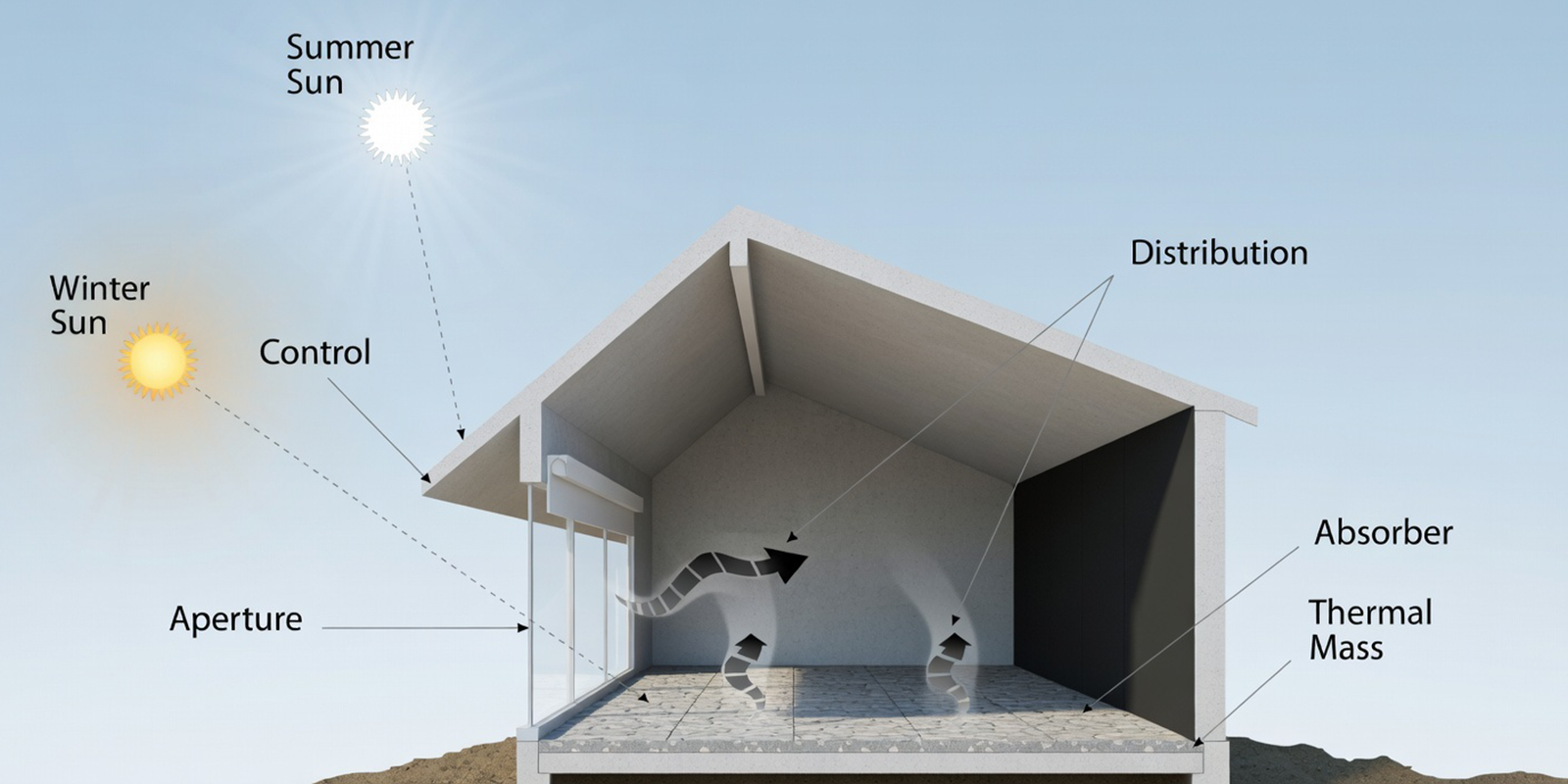
At the heart of truly sustainable architecture lie passive design strategies — approaches that work with the site’s natural climate rather than relying heavily on mechanical systems. These time-tested yet increasingly sophisticated techniques can slash energy use dramatically while improving occupant comfort.
Key elements include:
- Strategic building orientation to optimize solar gain in winter while minimizing overheating in summer.
- High-performance insulation, often using advanced or bio-based materials like hemp, cork, or recycled content, which creates a robust thermal envelope.
- Natural shading through overhangs, awnings, louvers, or strategically planted trees and trellises.
- Thermal mass materials (such as concrete floors or adobe-style walls) that absorb heat during the day and release it at night, stabilizing indoor temperatures.
In the Central Coast’s mild yet variable climate, these strategies shine. Well-executed passive solar design can reduce heating and cooling demands by 50–90% compared to conventional buildings, leading to significant cost savings and lower greenhouse gas emissions. Homes feel more comfortable year-round, with fewer drafts and more consistent temperatures, while natural daylighting reduces the need for artificial lighting.
Local pioneers, including firms with decades of experience in passive building in San Luis Obispo County, have demonstrated that these principles can be beautifully integrated into both new construction and retrofits, often using locally sourced or low-embodied-carbon materials like straw bale insulation—a technique with roots in early sustainable projects in the region.
Integrating Renewable Energy Systems
Passive design lays the foundation, but pairing it with on-site renewable energy creates homes and buildings that approach or achieve net-zero (or even net-positive) status—producing as much or more energy than they consume. Common integrations now include:
- High-efficiency solar photovoltaic panels, often designed seamlessly into roofs or facades.
- Battery storage systems that capture excess daytime production for evening or cloudy-day use, enhancing energy independence and grid resilience.
- Heat pump technology for space heating, cooling, and hot water, which is far more efficient than traditional gas or electric resistance systems.
These technologies are becoming more affordable and aesthetically refined, allowing architects to maintain clean, modern lines without compromising performance. In areas like San Luis Obispo and Santa Maria, where sunlight is abundant, rooftop solar combined with battery backup can dramatically cut utility bills and protect homeowners from rising energy costs or outages. Smart building systems further optimize performance by monitoring usage in real time and adjusting automatically.
Water Conservation: Essential in a Drought-Prone Region
California’s Central Coast faces ongoing water scarcity challenges, making water conservation a non-negotiable aspect of sustainable design. Forward-looking projects incorporate multiple layers of efficiency:
- Drought-tolerant (xeriscape) landscaping featuring native and Mediterranean-climate plants such as lavender, sage, ceanothus, and succulents that require minimal irrigation once established.
- Efficient irrigation systems, including drip lines, smart controllers that adjust based on weather data, and soil moisture sensors to eliminate waste.
- Rainwater harvesting, greywater recycling, and low-flow fixtures inside the building.
These measures not only protect precious local water resources but also reduce maintenance needs and create beautiful, pollinator-friendly outdoor spaces that enhance property value and biodiversity. Hardscaping elements like permeable pavers further help manage stormwater and prevent runoff.
Broader Innovations Shaping the Future
Sustainable architecture in 2025–2026 extends well beyond these core elements. Emerging practices include:
- Biophilic design, which brings nature indoors through living walls, green roofs, generous daylight, and natural materials. Research shows these features improve occupant well-being, reduce stress, and even boost productivity.
- Low-carbon and circular materials: Recycled steel, reclaimed wood, plant-based insulation, and modular construction techniques that allow for future disassembly and reuse, minimizing waste and embodied carbon.
- Adaptive reuse of existing structures and climate-responsive design tailored to local conditions rather than generic templates.
- Pursuit of certifications like Passive House, LEED, or Green Globes, alongside net-zero and regenerative goals.
In the Central Coast context, these approaches align perfectly with regional values—respect for the land, agricultural heritage, and a desire for resilient, healthy communities.
Economic and Environmental Returns
When sustainability is woven into the design process from the earliest conceptual stages—rather than added as an afterthought—the results are compelling. Environmentally, buildings achieve lower carbon footprints, reduced resource consumption, and greater harmony with surrounding ecosystems.
Economically, they deliver lower lifetime operating costs, higher resale values, and often qualify for incentives or rebates. Homeowners and developers in San Luis Obispo and Santa Maria are discovering that sustainable features are not luxuries but smart investments that pay dividends in comfort, savings, and peace of mind.
Looking Ahead: A Regenerative Vision
The future of architecture lies in creating structures that do more than minimize harm—they actively regenerate the environment and enrich human experience. By embracing passive strategies, renewable integration, water-wise solutions, and holistic design principles, architects and communities on the Central Coast are leading the way toward a more resilient and beautiful built environment.
Whether you’re planning a new home, renovating an existing property, or simply inspired by the possibilities, now is the time to prioritize sustainability. The buildings we create today will shape the legacy we leave for generations to come—homes that respect the planet, serve their inhabitants beautifully, and stand as models of thoughtful, forward-looking design.
If you’re considering a sustainable project in the San Luis Obispo or Santa Maria area, consulting with local experts experienced in passive and regenerative techniques can help turn vision into reality. The future is not just sustainable—it can be regenerative, efficient, and profoundly livable.
Disclaimer
GFH Architecture does NOT represent or endorse the accuracy or reliability of any information or content contained on, distributed through or linked, downloaded or accessed on our Blog. The Authors expressed views and opinions are for entertainment, information and discussion purposes only. By viewing our Blog you signify your agreement that you must evaluate and make your own judgement, and bear all risks associated with, the use of any content on our Blog. Site Administrator
-
GFH has over 40 years of architectural experience serving the Central Coast.
-
Contact us today to discover how we can best serve you on your next building project.
-
Tel: +1 (805) 466-7674
-
Email: gary@gfharchitecture.com
John Smith Sep 15 2025
Your approved reply could appear here. Share your opinions and join the conversation.
ReplyJohn Smith Sep 15 2025
Your approved reply could appear here. Share your opinions and join the conversation.
ReplyLeave a Reply