How Architecture Supports Tourism on the Central Coast
Posted Mar 15 2023 | By Admin | Tag(s) Architecture , Lifestyle | Comments 2 Comments
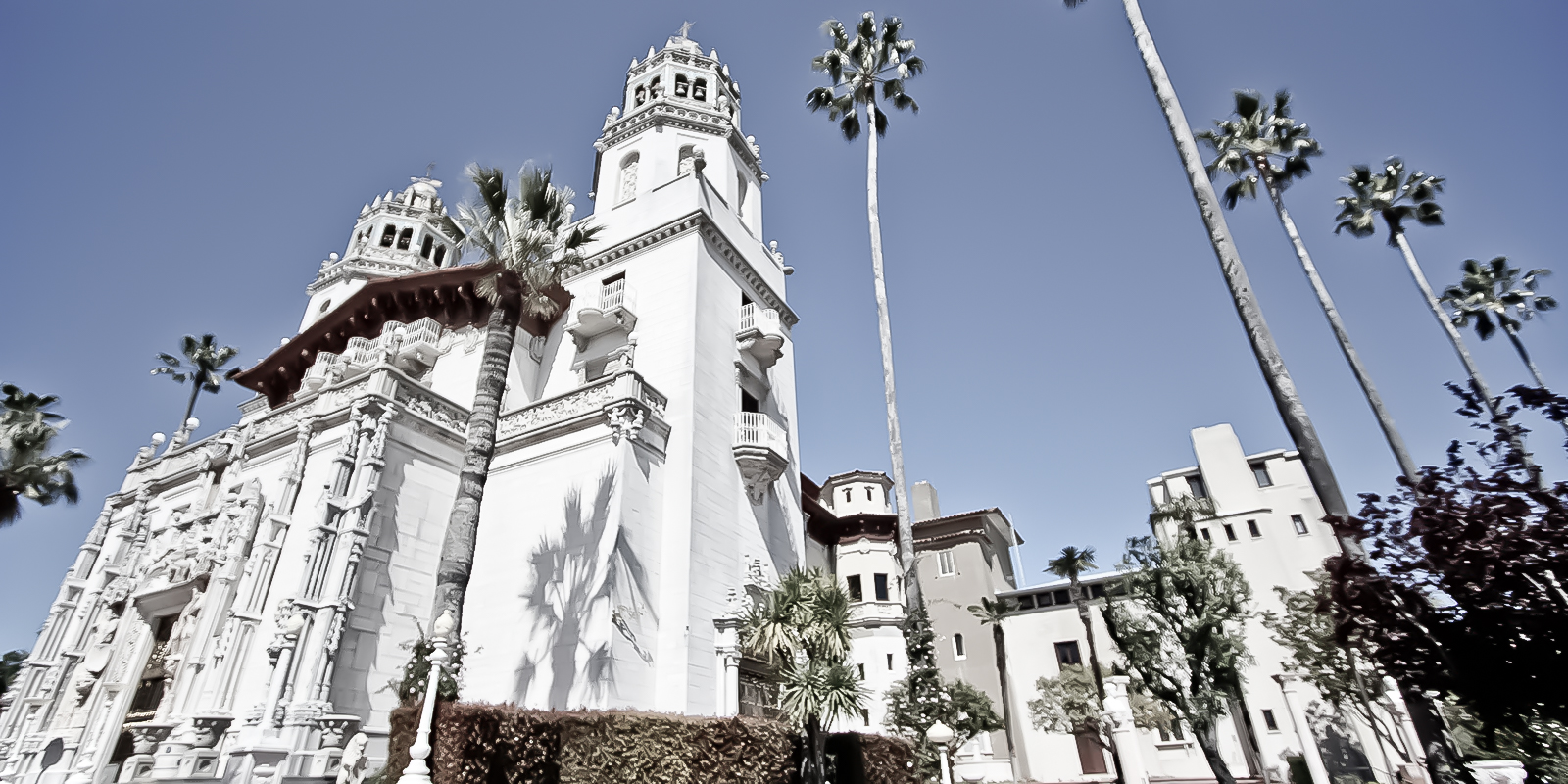
Tourism forms a vital pillar of the Central Coast economy, drawing millions of visitors each year to San Luis Obispo County for its world-class wine tasting, dramatic coastal exploration, historic landmarks, outdoor adventures, and vibrant cultural events. From the iconic Hearst Castle in San Simeon to the rolling vineyards of Paso Robles and Templeton, and the charming downtown of San Luis Obispo (SLO), the region offers an irresistible mix of natural beauty, agricultural richness, and relaxed California lifestyle. In this competitive hospitality landscape, thoughtful architecture plays a decisive role—not only in creating memorable visitor experiences but also in boosting local economies and encouraging longer stays and repeat visits.
Tourism’s Economic Power on the Central Coast
The numbers tell a compelling story. In recent years, San Luis Obispo has seen record Transient Occupancy Tax (TOT) revenue, reaching $11 million in fiscal year 2023 — a clear indicator of strong visitor demand Paso Robles wine country alone generates nearly $467.6 million in annual tourism - related spending and supports thousands of jobs, with wine tourism contributing significantly to the city’s general fund. Visitors come for more than just a quick stop: they seek immersive experiences—wine tasting in Edna Valley or Paso Robles AVAs, beach days in Avila or Pismo, hikes in Montaña de Oro, and cultural stops at Mission San Luis Obispo de Tolosa.
In this context, architecture becomes a powerful economic tool. Well-designed hotels, tasting rooms, restaurants, and public spaces don’t just accommodate guests—they elevate the entire destination, turning functional buildings into memorable landmarks that enhance the region’s appeal and competitiveness.
Hotels: Creating Inviting Sanctuaries with Local Character
Hotels on the Central Coast increasingly blend contemporary comfort with respect for the region’s architectural heritage and natural setting. Boutique properties like Hotel San Luis Obispo, Hotel Cerro, and Petit Soleil exemplify this approach, offering sophisticated yet laid-back environments that feel distinctly SLO.
Key design strategies include:
- Indoor-outdoor living: Expansive terraces, rooftop bars with sweeping views of rolling hills or vineyards, and seamless glass walls that open to patios encourage guests to linger outdoors, enjoying the mild Mediterranean climate.
- Biophilic and sensory elements: Abundant natural light, natural materials (wood, stone, textured plaster), and views of the landscape help reduce travel stress and promote relaxation. Some properties incorporate water features or calming design nods to the nearby ocean and kelp forests.
- Local storytelling: Many hotels weave in regional influences—Spanish Revival details, Craftsman warmth, or modern interpretations of agricultural buildings—while featuring local art, handcrafted finishes, and farm-to-table dining experiences.
Iconic and quirky options like the Madonna Inn, with its wildly themed rooms and whimsical pink exterior, demonstrate how bold, personality-driven architecture can itself become a tourist attraction, drawing visitors who come just to experience the space. Sustainable and wellness-oriented features are also rising in prominence. Energy-efficient designs, native landscaping, and spaces that support wellness (such as spa-like bathrooms or yoga-friendly areas) appeal to modern travelers who value environmental responsibility and personal rejuvenation.
Tasting Rooms and Wineries: Architecture as Sensory Theater
Wine tourism drives much of the region’s appeal and tasting rooms have evolved from simple counters into sophisticated architectural experiences. Contemporary wineries often feature:
- Scenic terraces and outdoor seating — allowing guests to sip wine while overlooking vineyards, oak woodlands, or distant coastal views.
- Dramatic hospitality centers — some LEED-certified with solar power and water conservation systems that reflect the industry’s commitment to sustainability.
- Innovative structures — such as the striking shipping-container-based Geneseo Inn at CASS Winery, which blends industrial chic with agricultural roots.
These spaces are intentionally designed to slow visitors down. Generous patios, fire pits, shaded loggias, and long communal tables turn a 30-minute tasting into an afternoon of conversation, food pairings, and connection to the land. Large windows and open layouts frame the winemaking process itself—barrels, tanks, and vines—creating transparency and authenticity that deepen the visitor’s emotional investment in the destination.
Restaurants and Public Spaces: Enhancing the Visitor Journey
Restaurants on the Central Coast leverage architecture to amplify farm-to-table dining. Outdoor seating areas protected by elegant overhangs or pergolas allow year-round al fresco meals, while pedestrian-friendly layouts in downtown SLO encourage strolling between shops, markets, and eateries.
Public architecture also supports tourism. Visitor centers at state parks and historic sites use sensitive, low-impact designs that educate without overpowering the landscape. Community gathering spaces, amphitheaters, and revitalized historic buildings (including those influenced by Julia Morgan’s work) provide venues for cultural events, farmers’ markets, and festivals that keep visitors engaged.
Pedestrian-oriented design—wide sidewalks, shaded walkways, and easy connections between hotels, downtown attractions, and trailheads—makes exploration effortless and enjoyable, extending the length of stays.
First Impressions and Lasting Memories
Architecture shapes a visitor’s very first impression and often becomes one of their strongest memories. A beautifully designed hotel lobby with warm materials and views of the hills instantly communicates care and sense of place. A tasting room terrace at golden hour, with the scent of wildflowers and the sound of distant waves or vineyard activity, creates an emotional connection far stronger than any marketing campaign.
These well-crafted environments encourage visitors to:
- Stay longer (turning day trips into overnights or weekend getaways)
- Spend more (on lodging, dining, wine, and experiences)
- Return in the future (and recommend the destination to others)
In an era where travelers seek authentic, immersive, and regenerative experiences, thoughtful architecture helps the Central Coast stand out from more crowded California destinations.
Sustainable and Biophilic Design in Hospitality
Forward-thinking projects increasingly incorporate biophilic design principles—maximizing natural light, ventilation, views, and natural materials—to support guest well-being while minimizing environmental impact. This aligns perfectly with the region’s identity: a place where people come to reconnect with nature, enjoy outdoor recreation, and savor locally grown food and wine.
Sustainable features such as solar arrays, rainwater harvesting, and native plant landscaping not only reduce operational costs but also appeal to eco-conscious travelers, reinforcing the Central Coast’s reputation for responsible tourism.
The Symbiotic Relationship Between Architecture and Tourism
When architecture supports tourism effectively, it creates a virtuous cycle. Inviting, context-sensitive buildings attract more visitors and higher spending, which in turn funds further improvements to infrastructure, preservation of historic sites, and protection of open spaces. At the same time, these designs celebrate and protect the very qualities—natural beauty, agricultural heritage, and relaxed pace—that make the region special.
For developers, hoteliers, winery owners, and city planners on the Central Coast, investing in high-quality architecture is not an expense but a strategic advantage. It differentiates properties in a crowded market, builds brand loyalty, and contributes meaningfully to the local economy.
Designing for a Thriving Visitor Economy
As tourism continues to grow on the Central Coast, the role of architecture will only become more important. Whether it’s a boutique hotel in downtown SLO with a vibrant rooftop bar, a sleek modern tasting room overlooking the vines in Templeton or Paso Robles, or a thoughtfully restored historic building hosting cultural events, great design transforms ordinary visits into unforgettable journeys.
For those involved in hospitality development or simply passionate about the region, the takeaway is clear: prioritize designs that honor the landscape, embrace indoor-outdoor living, incorporate local character, and put visitor comfort and connection at the center. The result is not just better buildings, but a stronger, more resilient tourism economy and a destination that visitors fall in love with—and return to—again and again.
The Central Coast’s combination of natural splendor and intentional, welcoming architecture offers a model for how thoughtful design can elevate tourism while preserving the soul of a place. In a region defined by its beauty and bounty, the buildings we create become part of the story visitors take home with them.
Want to learn more about GFH Architecture, Planning & Graphics?
Disclaimer
GFH Architecture does NOT represent or endorse the accuracy or reliability of any information or content contained on, distributed through or linked, downloaded or accessed on our Blog. The Authors expressed views and opinions are for entertainment, information and discussion purposes only. By viewing our Blog you signify your agreement that you must evaluate and make your own judgement, and bear all risks associated with, the use of any content on our Blog. Site Administrator
-
GFH has over 40 years of architectural experience serving the Central Coast.
-
Contact us today to discover how we can best serve you on your next building project.
-
Tel: +1 (805) 466-7674
-
Email: gary@gfharchitecture.com
John Smith Mar 15 2023
Your approved reply could appear here. Share your opinions and join the conversation.
ReplyJohn Smith Mar 15 2023
Your approved reply could appear here. Share your opinions and join the conversation.
ReplyLeave a Reply