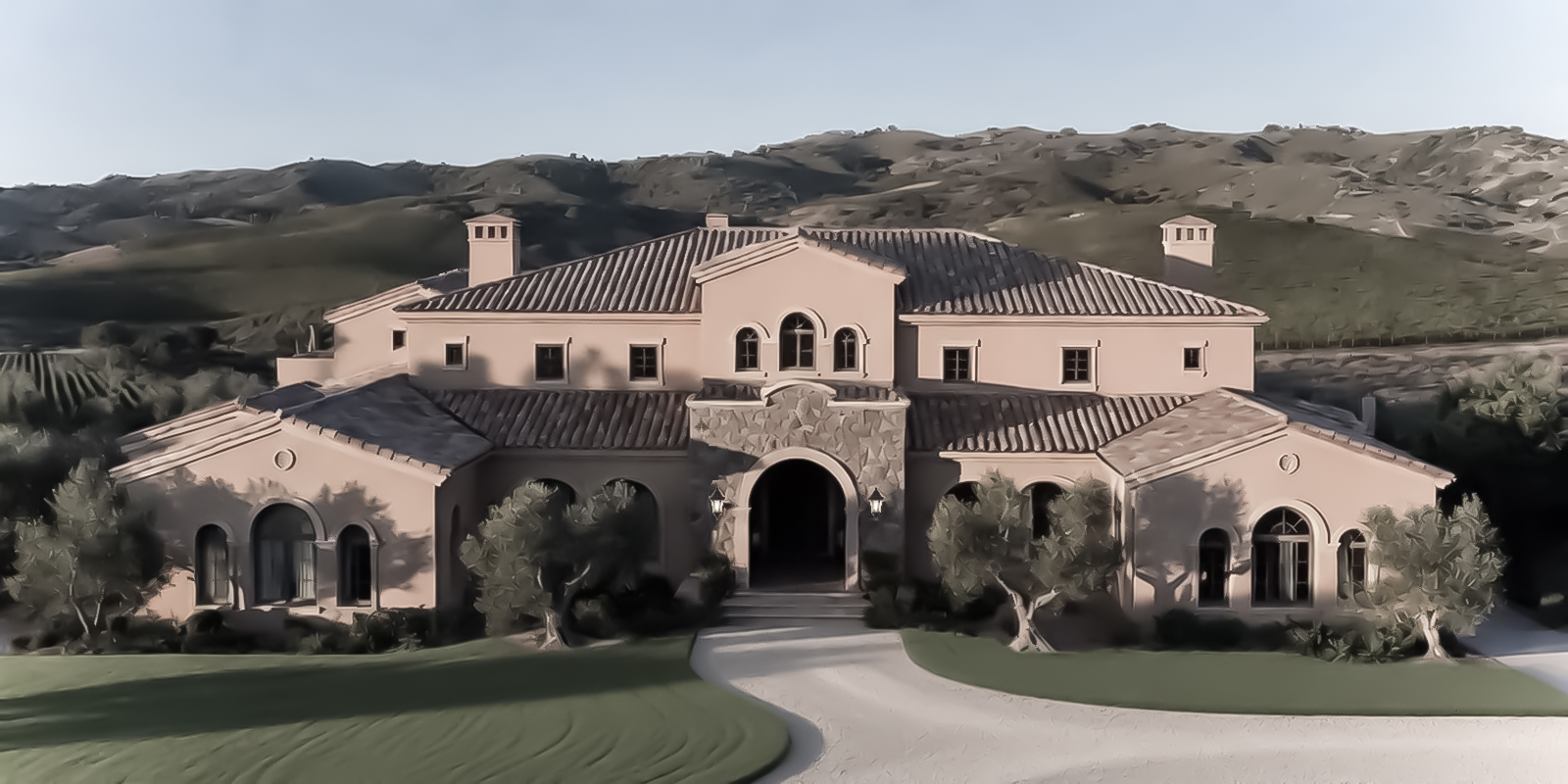
Designing Homes for the Paso Robles Wine Country Lifestyle
Posted Apr 15 2026 | By Admin | Tag(s) Architecture , Lifestyle | Comments 2 Comments
Blending Function, Landscape, and Experience
Nestled along California’s Central Coast, the wine region surrounding Paso Robles has rapidly emerged as one of the state’s most dynamic and creatively fertile areas for architecture. With its rolling oak-studded hills, limestone-rich soils, and Mediterranean climate, the landscape offers an inspiring canvas for wineries, tasting rooms, and rural estates. Unlike the more polished, sometimes ostentatious expressions found in Napa Valley, Paso Robles architecture often embraces a grounded, authentic sensibility—modern yet rooted in the agricultural heritage of the American West.
This “chill alternative” to more famous wine regions allows architects and owners to experiment with forms that honor the land while serving the practical demands of winemaking and the growing wave of wine tourism. As visitation and direct-to-consumer experiences strengthen heading into 2026, thoughtful design continues to play a starring role in defining the Paso Robles identity.
The Dual Role of Winery Architecture: Production Meets Hospitality
Winery buildings in Paso Robles must perform a delicate balancing act. On one hand, production facilities demand efficiency, climate control, durability against seismic activity, and operational flow for crushing, fermenting, barrel aging, and bottling. On the other, tasting rooms and visitor areas prioritize immersion, comfort, and memorable sensory experiences that connect guests to the terroir.
Many designs integrate these functions seamlessly. Production areas often sit partially underground or tucked into hillsides to maintain stable temperatures naturally, while public spaces open dramatically to sweeping vineyard views. Booker Vineyard, for instance, offers an underground-to-hilltop journey with cave tastings and a “cave top” tasting room nestled among the vines, creating a theatrical yet functional progression through the winemaking process.
Law Estate Wines, perched at elevations of 1,600–1,900 feet, exemplifies dramatic yet site-sensitive architecture. Its modern forms integrate with the rugged topography, using local materials and thoughtful landscaping to feel like a natural extension of the hillside rather than an imposition on it.
Materials That Speak the Language of the Land
A defining characteristic of Paso Robles wine country architecture is the sensitive use of materials that echo the rural landscape. Local stone, reclaimed or weathered wood, rusted or Corten steel, concrete, and even perforated metal panels help structures blend into the golden hills, oak woodlands, and vineyard rows.
- Stone and earth-toned plaster ground buildings visually while providing thermal mass.
- Natural or charred wood adds warmth and texture.
- Weathered or galvanized steel weathers gracefully in the Central Coast sun and fog, developing a patina that feels timeless rather than industrial.
Architects frequently employ restrained palettes — raw concrete, raked plaster, cast-in-place elements, and large expanses of glass—to create clean, contemporary forms that defer to the scenery.
Sustainability is increasingly central. Projects incorporate rainwater catchment, green roofs, solar arrays, regenerative practices, and drought-tolerant native landscaping. Some wineries, such as those pursuing LEED or Regenerative Organic Certification (like Tablas Creek), treat architecture and viticulture as intertwined systems. Innovative examples include repurposed shipping containers turned into luxury lodging at CASS Winery’s Geneseo Inn, or off-grid barns built from reclaimed materials with photovoltaic roofs.
Residential Architecture: Modern Farmhouses and Rural Estates
Beyond commercial wineries, residential architecture in the Paso Robles area often reinterprets traditional California farm buildings and barns through a contemporary lens. Large gabled forms, expansive overhangs, board-and-batten or corrugated metal siding, and generous outdoor living spaces are common motifs.
Homeowners and estate builders favor designs that maximize indoor-outdoor flow—think sliding glass walls that disappear into pockets, allowing living areas to spill onto terraces overlooking the vines. Large picture windows and clerestory glazing frame vineyard or hill views, while covered patios, outdoor kitchens, and fire pits turn properties into natural gathering places for family, friends, and private events.
Newer luxury estates and custom homes frequently combine modern minimalism with rustic warmth: clean lines paired with reclaimed barn wood, concrete floors, and steel details. Many sit on sizable acreage, incorporating guest houses, pools, and even small production facilities, creating self - contained wine country compounds. The result feels both luxurious and approachable — elegant without pretension.
Unique lodging options further blur the line between residential and hospitality architecture. Properties like Allegretto Vineyard Resort, JUST Inn at JUSTIN Winery, or converted farmhouses and casitas at Halter Ranch and Pelletiere Estate offer visitors the chance to live temporarily within these thoughtfully designed environments.
Looking Ahead: Architecture as Regional Identity in 2026 and Beyond
As wine tourism in Paso Robles continues to expand—with initiatives like the national launch of Paso Robles Wine Month in May 2026 — architecture will remain a powerful tool for differentiation and storytelling. Visitors increasingly seek more than just great wine; they want immersive, photogenic, and sustainable experiences that reflect the region’s unique character.
Future trends point toward even greater integration of regenerative design, biophilic elements, and multi-use spaces that adapt to changing climate realities and visitor expectations. Expect more hybrid indoor-outdoor tasting pavilions, cave experiences that highlight the area’s distinctive limestone geology, and estate homes that push the boundaries of net-zero performance while celebrating barn-inspired vernacular forms.
In Paso Robles, great architecture doesn’t shout—it harmonizes. It respects the agricultural roots of the region, frames its dramatic vistas, and creates spaces where wine, landscape, and human connection come together effortlessly. Whether you’re sipping Rhône-style blends at a hilltop estate or dreaming of building your own modern barn home amid the vines, the built environment here quietly reinforces why Paso Robles feels like one of California’s most authentic and exciting wine country destinations.
The next time you wind along Adelaida Road or crest a hill toward DAOU or Law Estate, take a moment to appreciate not just the wines, but the thoughtful structures that help tell their story. In Paso Robles, the architecture itself is part of the terroir.
Want to learn more about GFH Architecture, Planning & Graphics?
Disclaimer
GFH Architecture does NOT represent or endorse the accuracy or reliability of any information or content contained on, distributed through or linked, downloaded or accessed on our Blog. The Authors expressed views and opinions are for entertainment, information and discussion purposes only. By viewing our Blog you signify your agreement that you must evaluate and make your own judgement, and bear all risks associated with, the use of any content on our Blog. Site Administrator
-
GFH has over 40 years of architectural experience serving the Central Coast.
-
Contact us today to discover how we can best serve you on your next building project.
-
Tel: +1 (805) 466-7674
-
Email: gary@gfharchitecture.com
John Smith Apr 15 2026
Your approved reply could appear here. Share your opinions and join the conversation.
ReplyJohn Smith Apr 15 2026
Your approved reply could appear here. Share your opinions and join the conversation.
ReplyLeave a Reply